- English
- Español
- Português
- русский
- Français
- 日本語
- Deutsch
- tiếng Việt
- Italiano
- Nederlands
- ภาษาไทย
- Polski
- 한국어
- Svenska
- magyar
- Malay
- বাংলা ভাষার
- Dansk
- Suomi
- हिन्दी
- Pilipino
- Türkçe
- Gaeilge
- العربية
- Indonesia
- Norsk
- تمل
- český
- ελληνικά
- український
- Javanese
- فارسی
- தமிழ்
- తెలుగు
- नेपाली
- Burmese
- български
- ລາວ
- Latine
- Қазақша
- Euskal
- Azərbaycan
- Slovenský jazyk
- Македонски
- Lietuvos
- Eesti Keel
- Română
- Slovenski
- मराठी
- Srpski језик
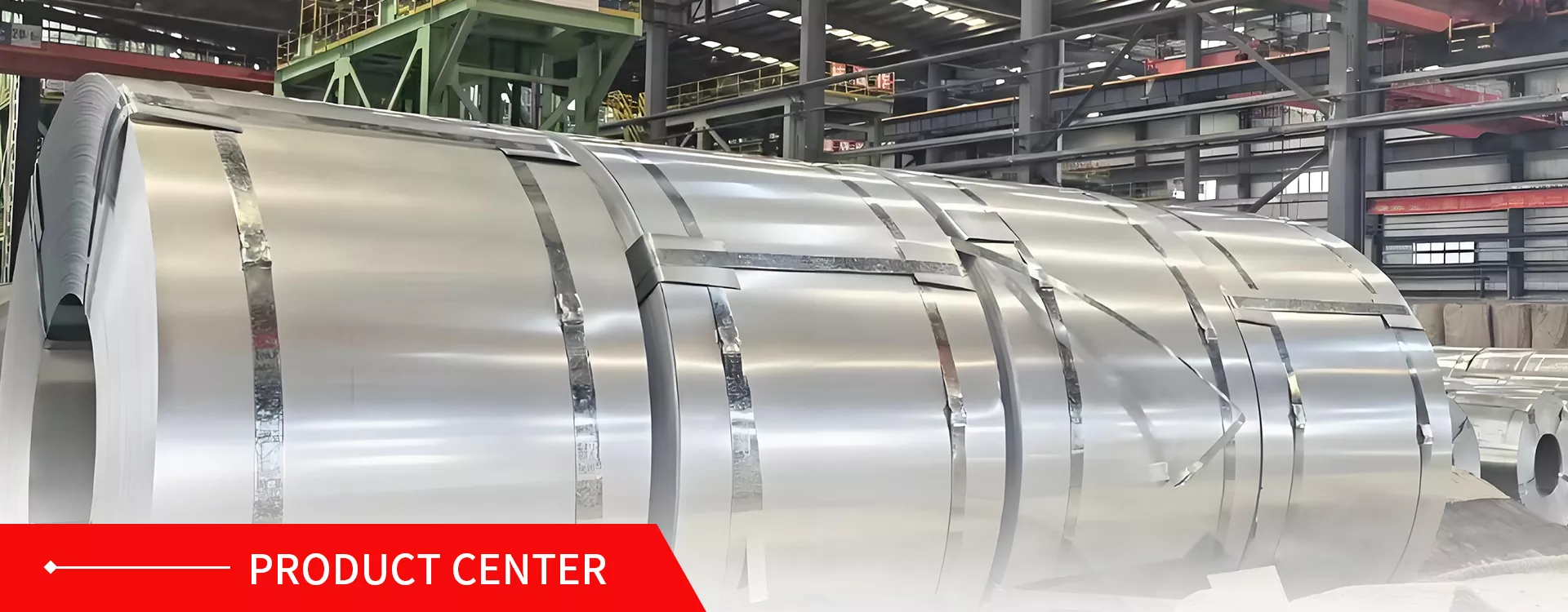
Slender Wall Straight Seam Steel Pipe
For applications demanding a combination of structural efficiency and material economy, the Slender Wall Straight Seam Steel Pipe is an optimal engineering solution. This product category, often referred to interchangeably with Light Wall Longitudinal Welded Steel Tube, is engineered for scenarios where weight reduction is critical without sacrificing essential strength. Its defining characteristic is a minimized wall thickness, a feature central to products like the Slim Wall Straight Seam Welded Pipe. The manufacturing process involves forming steel coils and welding along a single, straight longitudinal seam, resulting in a uniform and precise product geometry. This makes it a superior choice over heavier, seamless alternatives for non-pressure or low-pressure structural frameworks, conveyor systems, and architectural elements. When project specifications call for a Low Thickness Longitudinal Welded Tube, this pipe delivers the necessary performance with enhanced cost-effectiveness and easier handling. Industries seeking a high-quality, dimensionally consistent product will find the Fine Wall Straight Seam Steel Pipe meets rigorous standards for straightness, surface finish, and weld integrity.
The Slender Wall Straight Seam Steel Pipe is manufactured from high-grade, low-carbon steel or designated alloys, ensuring excellent formability and weldability. The production begins with carefully inspected steel strip, which is cold-formed through a series of rollers into a cylindrical shape. The critical longitudinal seam is then welded using high-frequency induction or submerged arc welding techniques, creating a strong, reliable bond that is often cleaner and more consistent than other welding methods. Following welding, the pipe undergoes sizing and straightening processes to achieve exact outer diameter and straightness tolerances. A key advantage of the Slender Wall Straight Seam Steel Pipe is its excellent strength-to-weight ratio, which translates to lower transportation costs, reduced structural load, and simpler installation. Surface treatments, including galvanizing, painting, or varnishing, are readily applied to enhance corrosion resistance for specific environmental conditions. Quality control is integral, with non-destructive testing commonly employed to verify weld seam integrity and ensure the product is free from defects.
Key Specifications & Parameters
- Material: Typically ASTM A500 Grade B/C, A53 Grade B, S235JR, S355JR, or equivalent low-carbon/mild steels.
- Manufacturing Standard: ASTM A500, ASTM A53, EN 10219, or custom specifications.
- Wall Thickness Range: 0.8mm to 4.0mm (commonly referred to as light or slender wall).
- Outer Diameter (OD) Range: 10mm to 406mm (1/2" to 16").
- Length: Standard random lengths of 6 meters or 20 feet, cut-to-length available.
- Welding Process: High-Frequency Induction Welding (HFIW) or Electric Resistance Welding (ERW).
- Surface Finish: Mill finish (bare), pre-galvanized, black painted, or varnished.
- End Finish: Plain end (standard), beveled end, or threaded as required.
| Outer Diameter (mm) | Wall Thickness (mm) | Approx. Weight per Meter (kg/m) | Common Application Reference |
|---|---|---|---|
| 21.3 | 1.2 | 0.59 | Furniture frames, handrails |
| 33.7 | 1.5 | 1.19 | Low-pressure hydraulic lines, automotive structures |
| 48.3 | 2.0 | 2.29 | Conveyor rollers, architectural supports |
| 60.3 | 2.5 | 3.56 | Guardrails, mechanical tubing |
| 114.3 | 3.0 | 8.24 | Light structural columns, fence posts |
| 168.3 | 3.5 | 14.22 | Framework for industrial shelters, signage |
The table above provides a concise overview of standard dimensions and their typical uses. It is crucial to consult technical data sheets for precise mechanical properties, including yield strength, tensile strength, and elongation, which vary based on the specific steel grade and heat treatment. Custom sizes and tolerances beyond standard ranges are regularly produced to meet unique project requirements. The Slender Wall Straight Seam Steel Pipe is subject to various industry tests, such as flattening tests, reverse flattening tests on the weld, and hydrostatic tests, to validate its performance under stress and ensure compliance with international standards.
Related Products

Hot Products
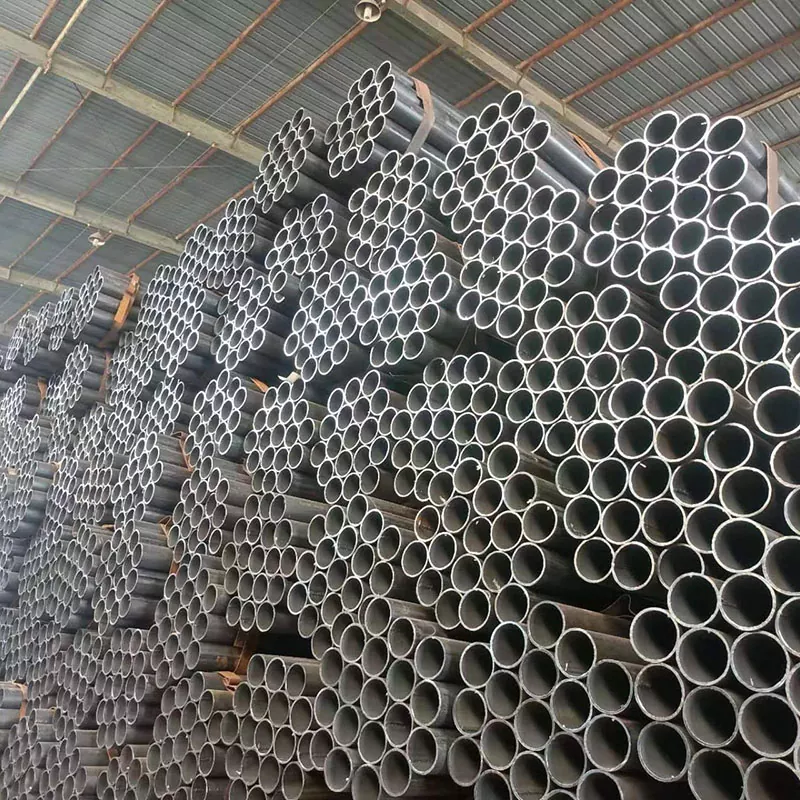
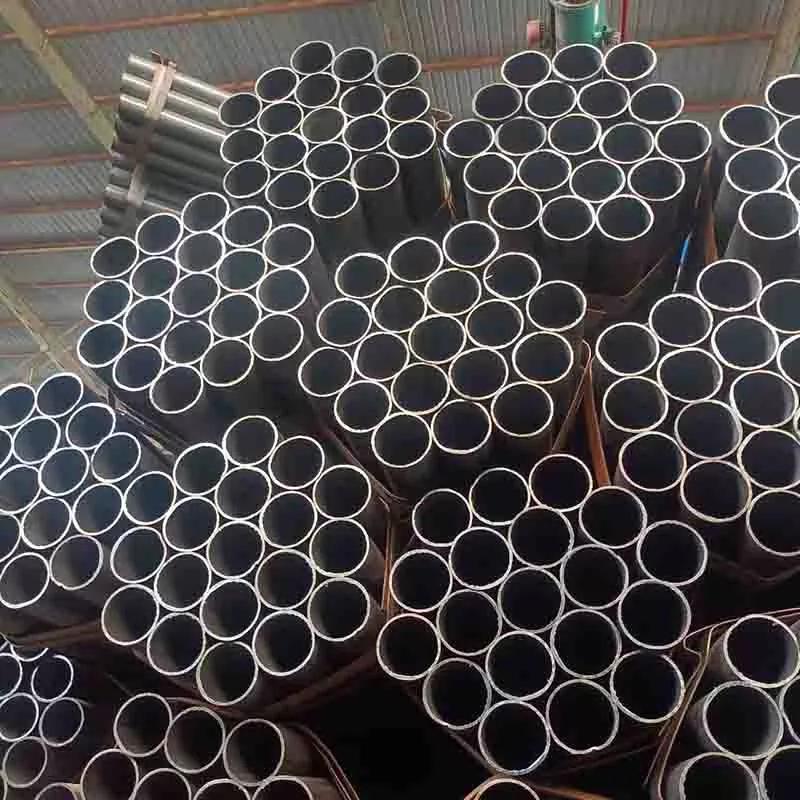
Straight Slit Black Circular Tube
Tianjin Xinlida Steel Pipe Co., Ltd., as the leader in the industry, specializes in the production of Straight Slit Black Circular Tube. With excellent quality, its products have extensive and in-depth applications in many fields such as construction, machinery, petroleum, chemical industry, electric power, transportation, etc.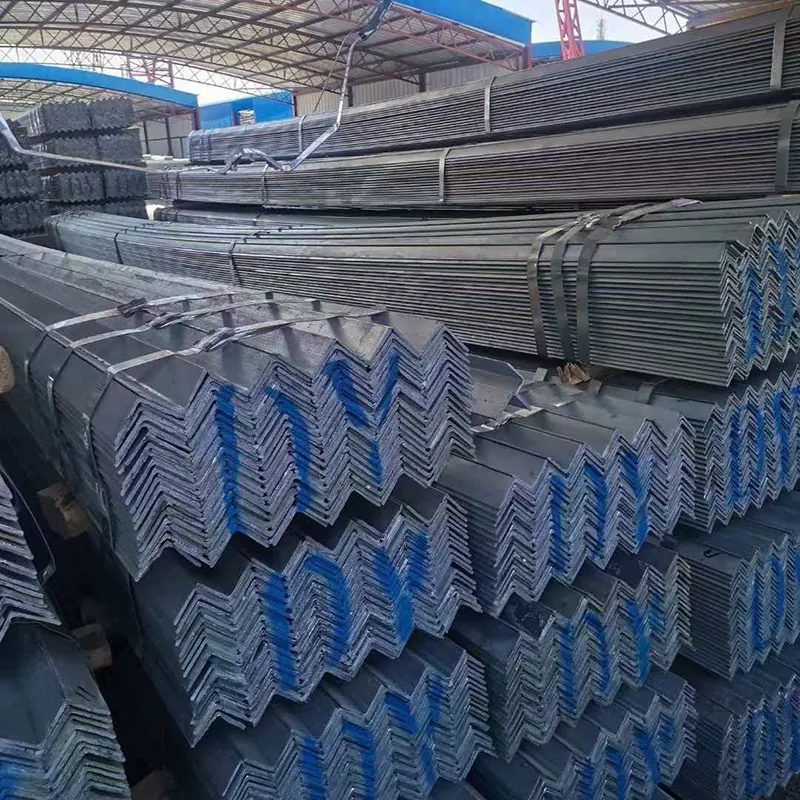
Hot-Dip Galvanized Angle Steel
Tianjin Xinlida Steel Pipe Co., Ltd. is a leading manufacturer specializing in steel structure profiles. Leveraging its intelligent production base with an annual capacity of 50 million tons and a comprehensive business system integrating domestic production, overseas bases, and global trade, the company provides engineering support services across multiple sectors including construction, energy, and transportation. Its products are exported to Southeast Asia, the Middle East, and other overseas markets, meeting the procurement needs of various large-scale domestic and international projects. Holding formal import and export qualifications, the company adheres to international production standards throughout the entire process, from raw material selection to finished product quality control. With stable product quality and efficient supply services, it has earned the long-term trust of domestic and international buyers, making it a reliable supplier of steel structure materials for engineering projects.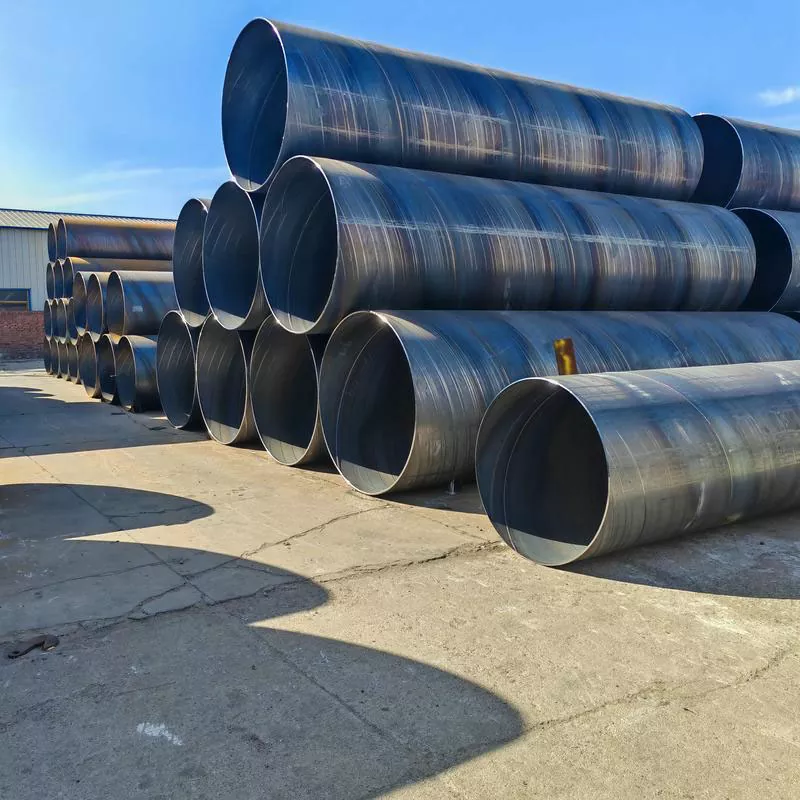
Large Diameter Spiral Welded Pipe
In many fields such as construction, machinery, petroleum, chemical industry, electric power, transportation, etc., high-quality pipeline materials are the key elements to ensure the smooth progress of projects.Tianjin Xinlida Steel Pipe Co., Ltd. production of Large Diameter Spiral Welded Pipe, with excellent performance and reliable quality, become the ideal choice for many projects.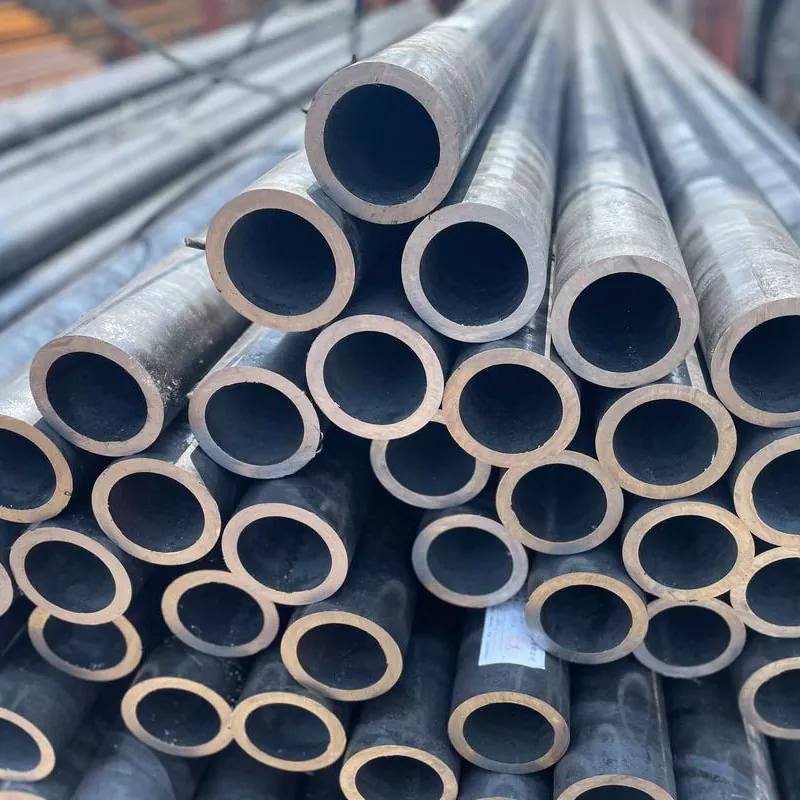
Hot-Rolled Seamless Steel Pipe
The China Hot-Rolled Seamless Steel Pipe manufactured by Xinlida is formed through the hot-rolling process and has a circular hollow structure. It is a basic steel widely used in various industries. Its unique production method endows the product with multiple advantages, making it suitable for various complex working conditions.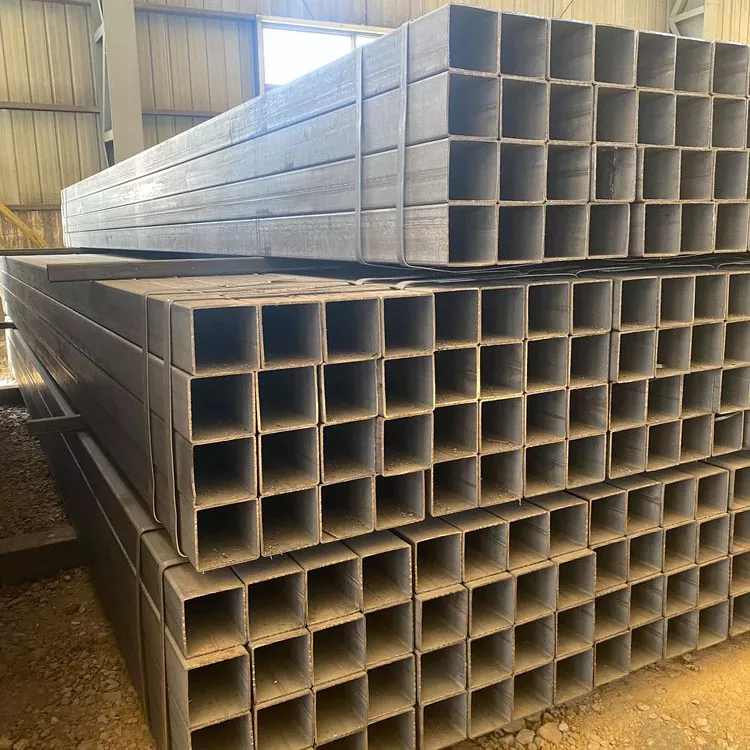
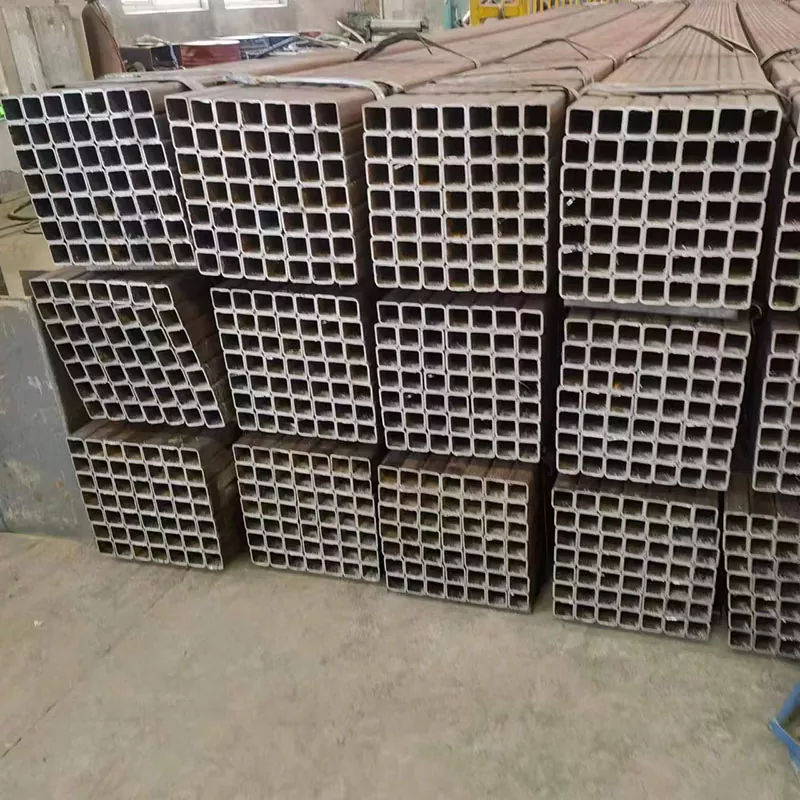
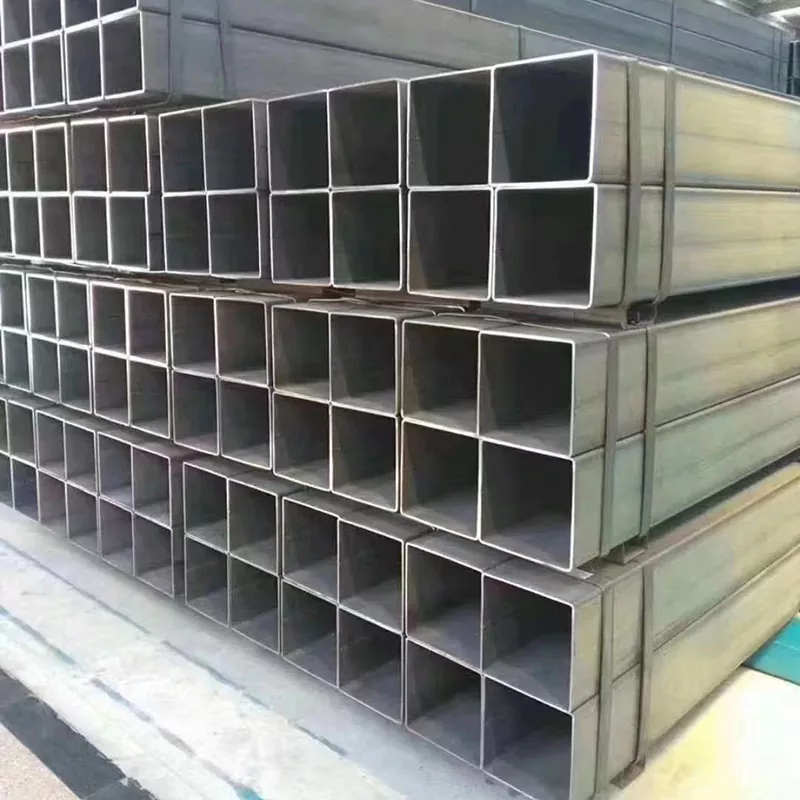
Black Striped Rectangular Tube
Since its establishment in 2015, Tianjin Xinlida Steel Pipe Co., Ltd. has been deeply engaged in the field of steel pipe manufacturing, processing and sales.We produce the black belt square tube, is a straight seam high frequency welding process made of steel pipes, its cross-section is square or rectangular.This Black Striped Rectangular Tube not only has a certain tensile strength, but also has good ductility, so it is widely used in many industries such as construction, machinery manufacturing, and automobile manufacturing.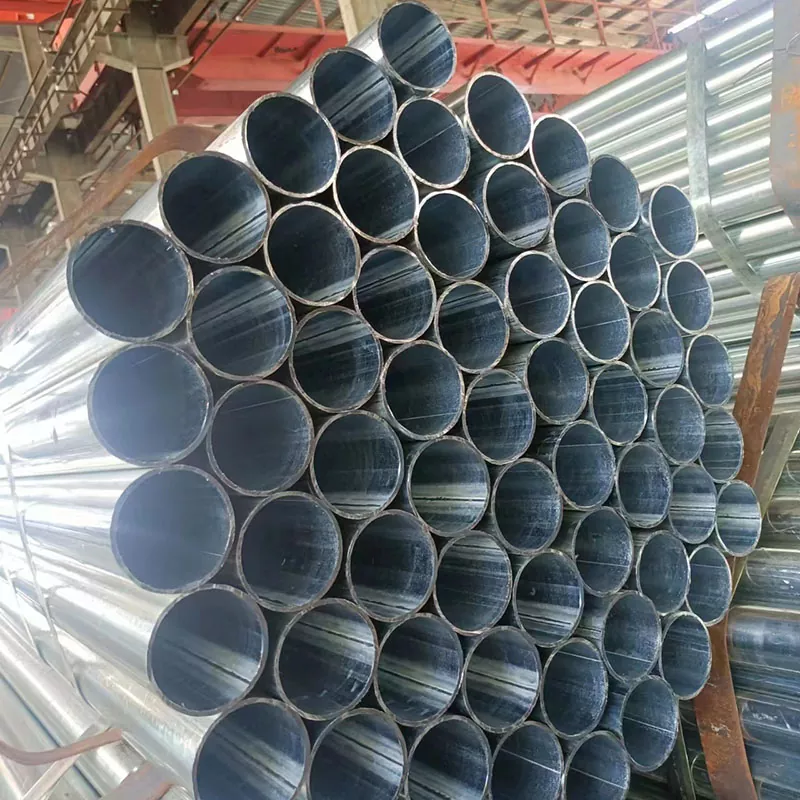
Large Diameter Galvanized Pipe
Xinlida’s China Large Diameter Galvanized Pipe plays a key role in many fields by virtue of their unique properties and wide applicability, and have become one of the indispensable materials in modern engineering.Large diameter galvanized circular pipe has rich specifications and large outer diameter size, which can meet the needs of different large projects.
- Related Blog
- Reviews
