- English
- Español
- Português
- русский
- Français
- 日本語
- Deutsch
- tiếng Việt
- Italiano
- Nederlands
- ภาษาไทย
- Polski
- 한국어
- Svenska
- magyar
- Malay
- বাংলা ভাষার
- Dansk
- Suomi
- हिन्दी
- Pilipino
- Türkçe
- Gaeilge
- العربية
- Indonesia
- Norsk
- تمل
- český
- ελληνικά
- український
- Javanese
- فارسی
- தமிழ்
- తెలుగు
- नेपाली
- Burmese
- български
- ລາວ
- Latine
- Қазақша
- Euskal
- Azərbaycan
- Slovenský jazyk
- Македонски
- Lietuvos
- Eesti Keel
- Română
- Slovenski
- मराठी
- Srpski језик
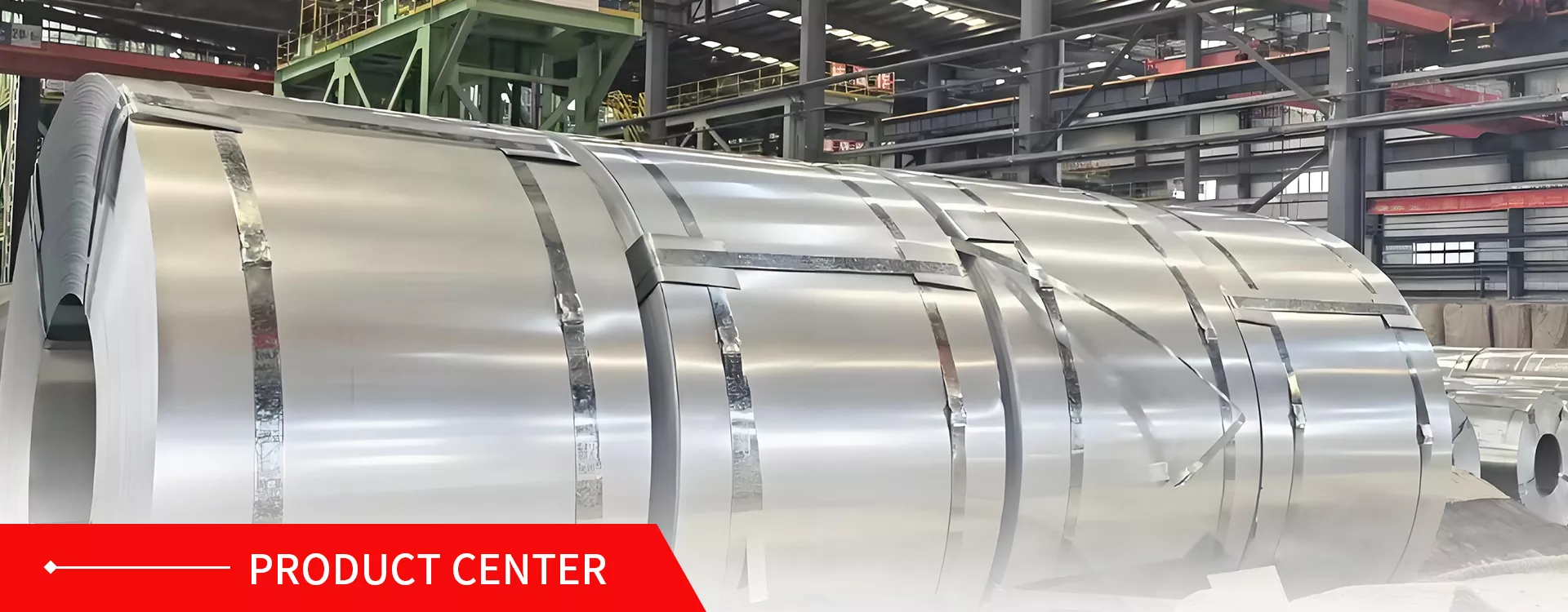
Flat Steel
Understanding flat steel and Its Place in Modern Manufacturing
Flat steel represents one of the most fundamental and versatile materials in industrial production today. At Xinlida, we have spent decades refining our manufacturing processes to deliver flat steel products that meet the rigorous demands of construction, automotive, machinery, and countless other sectors. The term flat steel covers a broad category of steel products characterized by their rectangular cross-section and smooth, parallel surfaces. These products range from thin sheets to thick plates, each serving specific structural and functional purposes in projects around the world. When you walk through a manufacturing facility or construction site, flat steel appears everywhere. It forms the framework of buildings, the bodies of vehicles, the components of industrial equipment, and the infrastructure of modern cities. The simplicity of its shape belies the complexity of its production and the precision required to meet exact specifications. Xinlida has invested heavily in advanced rolling mills, heat treatment systems, and quality control technologies to ensure every piece of flat steel leaving our facility performs exactly as expected.The Manufacturing Journey of Flat Steel Products
The production of flat steel begins with carefully selected raw materials. High-quality iron ore, coke, and limestone enter the blast furnace where intense heat transforms them into molten iron. This molten iron then moves to the basic oxygen furnace or electric arc furnace, depending on the desired steel grade. Alloying elements like manganese, chromium, nickel, and vanadium are added at precise intervals to achieve the required chemical composition. Xinlida maintains strict control over this process, with our metallurgists monitoring every batch to ensure consistency. After the liquid steel reaches the correct chemistry, it flows into continuous casting machines where it solidifies into slabs. These slabs are the starting point for all flat steel products. The slabs then enter hot rolling mills where they pass through a series of rollers at temperatures exceeding 1200 degrees Celsius. Each pass reduces the thickness while increasing the length, gradually transforming the thick slab into thinner, longer products. Temperature control during hot rolling is critical because it affects the grain structure of the steel, which in turn influences mechanical properties like strength and ductility. For applications requiring tighter tolerances and smoother surfaces, hot rolled flat steel undergoes additional processing. Cold rolling at room temperature further reduces thickness while improving surface finish and dimensional accuracy. The cold rolling process also work-hardens the material, increasing its strength. Xinlida's cold rolling mills utilize sophisticated gauge control systems that maintain thickness variations within microns, ensuring uniformity across entire coils. Heat treatment follows rolling for many flat steel grades. Annealing restores ductility to work-hardened material, normalizing refines grain structure, and quenching and tempering develop specific strength and toughness combinations. Our heat treatment furnaces feature multiple temperature zones with precise atmosphere control, preventing surface oxidation and decarburization. The result is flat steel with consistent properties from edge to edge and from coil to coil.- View as
Flat Iron Bar
As a global provider of steel solutions, our Flat Iron Bar combines a wide range of specifications, premium Q235B/Q355B material grades, and diverse processing methods—including hot-rolling, cold-drawing, and hot-dip galvanizing—with precision dimensions, clean-cut edges, and capabilities for both fixed-length and non-standard customization. We provide highly reliable, easy-to-process structural steel designed to address key pain points in engineering procurement, such as incomplete specification ranges, significant dimensional deviations, limited material choices, cumbersome on-site processing, and high material waste. Our products are widely used in steel structures, construction projects, machinery manufacturing, equipment supports, embedded parts, guardrails, gratings, and grounding/lightning protection systems. We also offer complementary steel products—such as channel steel, angle steel, square tubes, and round tubes—to provide a one-stop procurement solution covering everything from raw material supply and precision cutting to project-specific support, thereby meeting the diverse needs of customers in Southeast Asian markets (including the Philippines, Singapore, Thailand, and Malaysia) for stable supply, flexible customization, and versatile engineering-grade steel.
Read MoreSend Inquiry
As a reliable Flat Steel manufacturer and supplier in China, we have custom options and volume discount pricing. Please just send us a quotation!