- English
- Español
- Português
- русский
- Français
- 日本語
- Deutsch
- tiếng Việt
- Italiano
- Nederlands
- ภาษาไทย
- Polski
- 한국어
- Svenska
- magyar
- Malay
- বাংলা ভাষার
- Dansk
- Suomi
- हिन्दी
- Pilipino
- Türkçe
- Gaeilge
- العربية
- Indonesia
- Norsk
- تمل
- český
- ελληνικά
- український
- Javanese
- فارسی
- தமிழ்
- తెలుగు
- नेपाली
- Burmese
- български
- ລາວ
- Latine
- Қазақша
- Euskal
- Azərbaycan
- Slovenský jazyk
- Македонски
- Lietuvos
- Eesti Keel
- Română
- Slovenski
- मराठी
- Srpski језик
Why Are Seamless Steel Pipes Superior for Industrial Applications
In modern industry, extracting maximum performance and reliability from piping systems is critical — especially in power generation, oil & gas, chemical processing, and mechanical engineering. This article explores the advantages, manufacturing techniques, applications, and selection criteria for seamless steel pipes, explaining why they outperform other steel pipe types in demanding environments.
You will learn what seamless steel pipes are, how they are made, where they excel, their limitations, and answers to common questions around specification, materials, standards, and durability — all tailored to support engineers, designers, procurement teams, and project planners.
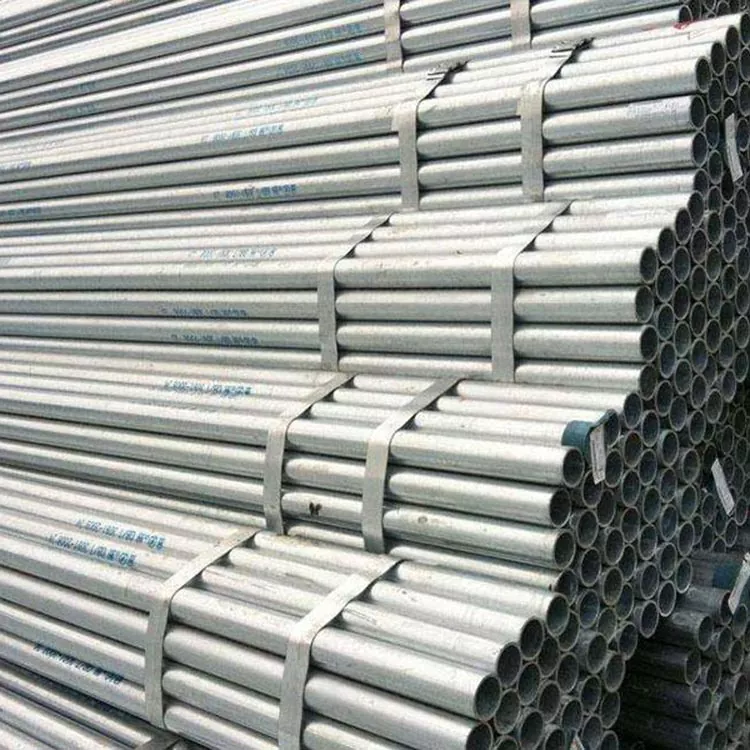
Table of Contents
What Is a Seamless Steel Pipe?
A seamless steel pipe is a tubular steel product made from a solid billet that is heated, pierced, and formed into a hollow shape without any welded seam on its surface. This continuous, joint‑free structure contributes to its uniform mechanical properties and higher reliability compared with welded types.
- No welding line or seam
- Made from round billet through hot/cold processing
- Excellent mechanical uniformity
How Are Seamless Steel Pipes Manufactured?
Seamless pipes are produced using one of several methods — typically hot rolling, cold rolling, or cold drawing — that begin with a solid steel billet. The billet is heated and pierced to form a hollow shell and then elongated into the desired shape and size.
Once shaped, the pipe undergoes sizing, heat treatment, and finishing processes to achieve required tolerances and performance characteristics.
- Hot Rolled Seamless – ideal for large diameters and thick walls.
- Cold Rolled Seamless – higher dimensional precision and smoother surface.
- Cold Drawn Seamless – best for tight tolerances and specialty applications.
Key Advantages of Seamless Pipes
Seamless steel pipes outperform other types of steel piping in many critical performance criteria — especially where strength, pressure resistance, and safety are paramount.
| Feature | Benefit |
|---|---|
| Uniform Structure | Higher strength and resistance to failure |
| No Weld Seam | Reduced leak risk, better high‑pressure performance |
| Dimensional Accuracy | Precise fit with couplings and machinery |
| Smooth Internal Surface | Improved fluid flow with less friction loss |
| Corrosion Resistance | Longer service life in harsh environments |
Industrial Applications of Seamless Steel Pipes
Seamless steel pipes are used across major industrial sectors due to their mechanical reliability and resistance to extreme conditions.
- Oil & Gas: Pipeline transportation, drilling risers, casing and tubing.
- Power Generation: Boiler tubes, heat exchangers, steam lines.
- Chemical & Petrochemical: Aggressive fluid transport lines.
- Automotive & Aerospace: Engine components and high‑stress structural tubes.
- Construction & Infrastructure: Structural framing and load‑bearing applications.
Standards, Grades & Sizes
Seamless pipes are manufactured to international standards such as API, ASTM, and ASME to ensure compatibility and performance across geographies. They come in a wide range of diameters, thicknesses, and material grades to meet design requirements.
- Common Standards: API 5L, ASTM A106, ASME B36.10
- Materials: Carbon steel, alloy steel, stainless steel
- Size Range: From small precision tubes to large industrial pipes
Limitations to Consider
Although seamless steel pipes offer many advantages, engineers should be aware of some trade‑offs:
- Higher Cost: Complex manufacturing leads to higher pricing compared to some welded alternatives.
- Size Range Constraints: Certain very large diameters may be less economical to produce.
- Quality Variability: Manufacturing defects such as uneven wall thickness can occur without strict quality control.
Frequently Asked Questions (FAQ)
1. What makes seamless steel pipe different from welded pipe?
Seamless pipes have no welded seam, resulting in uniform strength and fewer weak points — which improves pressure and temperature performance compared to welded pipes.
2. Can seamless pipes transport high‑pressure fluids?
Yes — the absence of seams and consistent wall thickness make them ideal for high‑pressure oil, gas, and steam transportation.
3. What materials are seamless steel pipes made from?
Common materials include carbon steel, alloy steel, and stainless steel grades — selected based on corrosion resistance, strength, and application environment.
4. Do seamless pipes require special handling?
Due to their precision and finishing, seamless pipes should be handled according to standard industrial safety practices, especially for high‑pressure or critical installations.
5. Where can I source high‑quality seamless steel pipes?
Reputable manufacturers like Xinlida seamless steel pipe product line supply a range of options engineered for engineering, energy, and industrial use.
Ready to Find Your Ideal Seamless Steel Pipe?
Whether you are designing a critical pipeline, upgrading industrial infrastructure, or specifying materials for long‑term performance, choose reliable seamless steel pipe solutions from Xinlida — engineered to meet global standards with robust mechanical properties, dimensional precision, and exceptional service.
For custom sizes, grades, and rapid delivery — contact us now to discuss your requirements and get a quote!