- English
- Español
- Português
- русский
- Français
- 日本語
- Deutsch
- tiếng Việt
- Italiano
- Nederlands
- ภาษาไทย
- Polski
- 한국어
- Svenska
- magyar
- Malay
- বাংলা ভাষার
- Dansk
- Suomi
- हिन्दी
- Pilipino
- Türkçe
- Gaeilge
- العربية
- Indonesia
- Norsk
- تمل
- český
- ελληνικά
- український
- Javanese
- فارسی
- தமிழ்
- తెలుగు
- नेपाली
- Burmese
- български
- ລາວ
- Latine
- Қазақша
- Euskal
- Azərbaycan
- Slovenský jazyk
- Македонски
- Lietuvos
- Eesti Keel
- Română
- Slovenski
- मराठी
- Srpski језик
What Is Welded Steel Pipe and Why Is It the Smart Choice for Modern Construction and Industrial Projects
Welded steel pipe plays a critical role in modern infrastructure, construction, water transmission, oil and gas transportation, and structural engineering. This comprehensive guide explains what welded steel pipe is, how it is manufactured, its advantages over seamless pipe, available types, specifications, standards, and how to select the right supplier.
Whether you are an engineer, procurement manager, contractor, or distributor, this in-depth guide will help you understand how welded steel pipe solutions from Xinlida can meet your performance, durability, and cost-efficiency requirements.
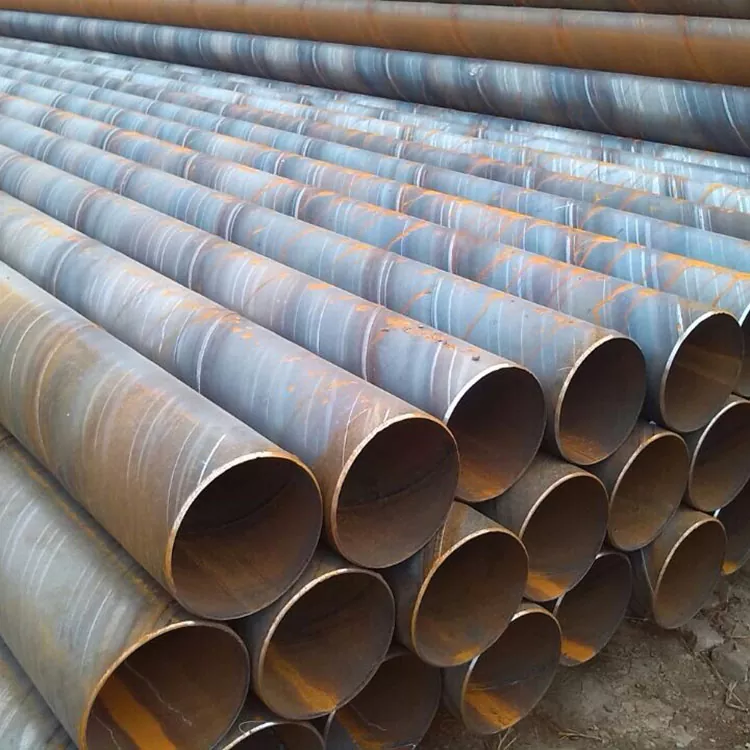
Table of Contents
- What Is Welded Steel Pipe?
- How Is Welded Steel Pipe Manufactured?
- Types of Welded Steel Pipes
- Advantages of Welded Steel Pipe
- Major Applications Across Industries
- Welded vs Seamless Steel Pipe
- Standards and Quality Control
- How to Choose the Right Welded Steel Pipe?
- Frequently Asked Questions (FAQ)
1. What Is Welded Steel Pipe?
Welded steel pipe is manufactured by rolling steel plate or strip into a cylindrical shape and joining the edges together through welding. Unlike seamless pipe, which is produced by piercing solid billets, welded pipes are formed and welded along a seam.
The welding process creates a strong bond that ensures structural integrity and pressure resistance. Modern welding technologies allow welded pipes to meet demanding international standards for strength, durability, and corrosion resistance.
2. How Is Welded Steel Pipe Manufactured?
2.1 Raw Material Selection
High-quality carbon steel or alloy steel coils/plates are selected based on required mechanical properties and application standards.
2.2 Forming Process
- Steel strip is uncoiled
- Leveled and edge-milled
- Formed into cylindrical shape using rollers
2.3 Welding Methods
| Welding Type | Full Name | Characteristics | Typical Use |
|---|---|---|---|
| ERW | Electric Resistance Welded | High efficiency, smooth seam | Water, oil, gas pipelines |
| LSAW | Longitudinal Submerged Arc Welded | Large diameter capability | High-pressure transmission |
| SSAW | Spiral Submerged Arc Welded | Cost-effective for large pipes | Infrastructure & piling |
2.4 Heat Treatment and Testing
- Heat treatment (if required)
- Ultrasonic testing
- Hydrostatic pressure testing
- Dimensional inspection
- Surface finishing
3. Types of Welded Steel Pipes
3.1 Carbon Steel Welded Pipe
Commonly used in structural and low-pressure applications.
3.2 Galvanized Welded Steel Pipe
Coated with zinc to enhance corrosion resistance.
3.3 Large Diameter Welded Pipe
Used for oil, gas, and water transmission projects.
3.4 Structural Welded Pipe
Applied in construction frameworks, bridges, and building supports.
4. Advantages of Welded Steel Pipe
4.1 Cost-Effective Production
Welded pipes are generally more economical than seamless pipes due to efficient production methods.
4.2 Wide Size Range
Especially suitable for large-diameter applications.
4.3 Strong Mechanical Performance
- High tensile strength
- Good pressure resistance
- Excellent weld integrity
4.4 Customization Flexibility
Thickness, diameter, coating, and length can be customized according to project needs.
5. Major Applications Across Industries
| Industry | Application | Pipe Type |
|---|---|---|
| Construction | Structural framework | ERW / Structural pipe |
| Oil & Gas | Transmission pipelines | LSAW / SSAW |
| Water Supply | Municipal pipelines | Galvanized / ERW |
| Manufacturing | Machinery & equipment | Precision welded pipe |
6. Welded vs Seamless Steel Pipe
| Feature | Welded Pipe | Seamless Pipe |
|---|---|---|
| Production Method | Rolled & welded | Billet piercing |
| Cost | Lower | Higher |
| Diameter Range | Wide (especially large) | Limited large sizes |
| Pressure Resistance | High (depending on weld quality) | Very High |
7. Standards and Quality Control
Welded steel pipes are produced according to international standards such as:
- ASTM A53 / ASTM A106
- API 5L
- EN 10219
- GB/T standards
Strict inspection procedures ensure compliance, including:
- Non-destructive testing (NDT)
- Mechanical property testing
- Chemical composition analysis
- Hydrostatic pressure testing
8. How to Choose the Right Welded Steel Pipe?
Key Considerations:
- Application requirements
- Operating pressure
- Environmental conditions
- Coating & corrosion protection
- Compliance standards
- Supplier reliability
Working with an experienced manufacturer like Xinlida ensures stable quality, competitive pricing, fast delivery, and technical support tailored to your project.
9. Frequently Asked Questions (FAQ)
Q1: Is welded steel pipe strong enough for high-pressure applications?
Yes. Modern welding technologies such as ERW and submerged arc welding provide high seam strength suitable for oil and gas transmission.
Q2: What is the difference between ERW and LSAW pipes?
ERW pipes use electric resistance welding and are ideal for smaller diameters, while LSAW pipes are suitable for large-diameter, high-pressure applications.
Q3: Can welded steel pipes be customized?
Absolutely. Diameter, thickness, coating, and length can all be customized to meet project requirements.
Q4: Are welded pipes more affordable than seamless pipes?
Generally, yes. Welded pipes offer cost-effective solutions, especially for large-scale infrastructure projects.
Conclusion: Why Welded Steel Pipe Is the Future of Infrastructure
Welded steel pipe combines strength, versatility, cost efficiency, and manufacturing precision. With advanced production technology and strict quality control, modern welded pipes meet demanding industrial and structural requirements worldwide.
If you are looking for a reliable welded steel pipe manufacturer with extensive industry experience, stable production capacity, and international certification, Xinlida is your trusted partner.
Ready to upgrade your pipeline or structural project? Contact us today to receive customized solutions, competitive pricing, and professional technical support tailored to your needs.