- English
- Español
- Português
- русский
- Français
- 日本語
- Deutsch
- tiếng Việt
- Italiano
- Nederlands
- ภาษาไทย
- Polski
- 한국어
- Svenska
- magyar
- Malay
- বাংলা ভাষার
- Dansk
- Suomi
- हिन्दी
- Pilipino
- Türkçe
- Gaeilge
- العربية
- Indonesia
- Norsk
- تمل
- český
- ελληνικά
- український
- Javanese
- فارسی
- தமிழ்
- తెలుగు
- नेपाली
- Burmese
- български
- ລາວ
- Latine
- Қазақша
- Euskal
- Azərbaycan
- Slovenský jazyk
- Македонски
- Lietuvos
- Eesti Keel
- Română
- Slovenski
- मराठी
- Srpski језик
What Is a Straight Seam Welded Steel Pipe and Why Is It Widely Used in Modern Infrastructure
A straight seam welded steel pipe is one of the most commonly used steel pipe products in global infrastructure, energy transmission, and construction projects. Known for its uniform weld seam, stable performance, and cost efficiency, this type of pipe plays a critical role in oil and gas pipelines, water supply systems, structural engineering, and industrial manufacturing.
In this in-depth guide, we will explore what straight seam welded steel pipes are, how they are manufactured, their key advantages, standards, applications, and how to choose the right product for your project. With insights from industry practices and manufacturers like Xinlida, this article is designed to help engineers, buyers, and project managers make informed decisions.
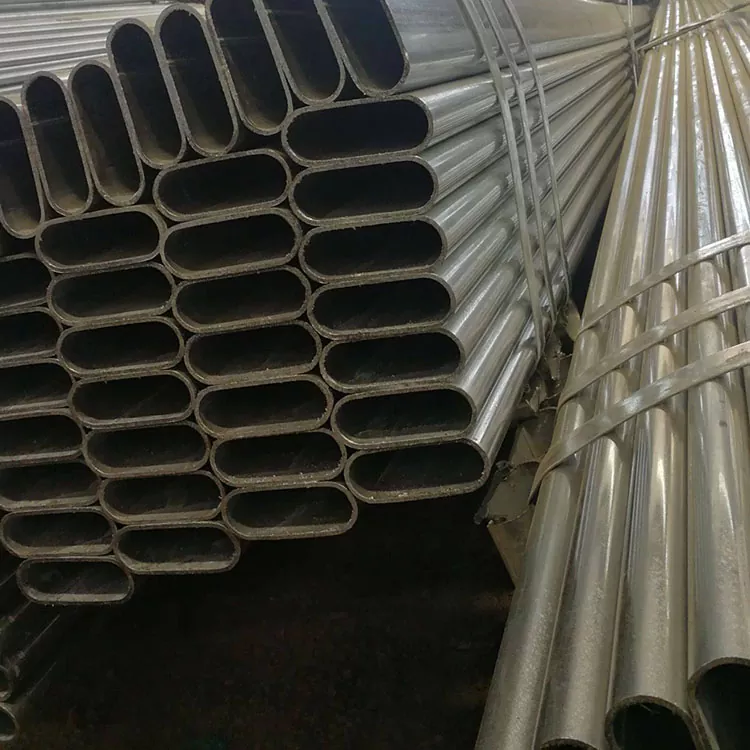
Table of Contents
- 1. What Is a Straight Seam Welded Steel Pipe?
- 2. Manufacturing Process Explained
- 3. Key Features and Technical Characteristics
- 4. Types of Straight Seam Welded Steel Pipes
- 5. International Standards and Steel Grades
- 6. Main Applications Across Industries
- 7. Straight Seam vs Other Steel Pipes
- 8. How to Choose the Right Straight Seam Welded Steel Pipe
- 9. Frequently Asked Questions
1. What Is a Straight Seam Welded Steel Pipe?
A straight seam welded steel pipe is produced by rolling steel plates or coils into a cylindrical shape and welding the seam longitudinally along the pipe body. The weld seam runs parallel to the pipe axis, giving it the name “straight seam.”
Unlike seamless pipes, straight seam welded pipes are manufactured using controlled welding techniques, allowing for precise dimensional accuracy and consistent mechanical properties. This makes them a preferred choice in many large-scale engineering projects.
2. Manufacturing Process Explained
The production of straight seam welded steel pipes follows a series of carefully controlled steps to ensure strength, durability, and weld integrity.
Main Manufacturing Steps
- Steel plate or coil inspection
- Edge milling and preparation
- Forming (UOE, JCOE, or roll forming)
- Longitudinal welding (SAW or ERW)
- Heat treatment (if required)
- Non-destructive testing (UT, RT)
- Hydrostatic testing
- Surface coating and finishing
Manufacturers like Xinlida adopt advanced welding and inspection technologies to ensure every straight seam welded steel pipe meets international quality standards.
3. Key Features and Technical Characteristics
- Uniform weld seam with high strength
- Excellent dimensional accuracy
- Stable mechanical performance
- Wide range of diameters and wall thicknesses
- Good adaptability for coatings and corrosion protection
| Feature | Description |
|---|---|
| Weld Type | Longitudinal straight seam |
| Diameter Range | Customizable based on standards |
| Pressure Resistance | High, suitable for fluid transmission |
| Surface Treatment | Black, galvanized, epoxy coated, 3PE |
4. Types of Straight Seam Welded Steel Pipes
Straight seam welded steel pipes can be classified based on welding method and forming technology:
- ERW (Electric Resistance Welded) Pipes
- LSAW (Longitudinal Submerged Arc Welded) Pipes
- UOE Pipes
- JCOE Pipes
Each type serves different pressure, diameter, and application requirements.
5. International Standards and Steel Grades
Straight seam welded steel pipes are produced in compliance with multiple international standards to ensure safety and performance.
| Standard | Application |
|---|---|
| API 5L | Oil and gas pipelines |
| ASTM A53 / A106 | General piping systems |
| EN 10219 | Structural applications |
| GB/T 9711 | Chinese national pipeline standard |
6. Main Applications Across Industries
- Oil and gas transmission pipelines
- Water supply and drainage systems
- Structural steel for buildings and bridges
- Industrial fluid transportation
- Piling and foundation engineering
7. Straight Seam vs Other Steel Pipes
| Type | Advantages | Limitations |
|---|---|---|
| Straight Seam Welded | Cost-effective, precise, widely available | Weld inspection required |
| Spiral Welded | Large diameter flexibility | Longer weld seam |
| Seamless Pipe | No weld seam, high pressure | Higher cost |
8. How to Choose the Right Straight Seam Welded Steel Pipe
When selecting a straight seam welded steel pipe, consider the following factors:
- Application environment
- Required pressure and temperature
- Applicable standards and certifications
- Coating and corrosion protection
- Supplier manufacturing capability
Choosing a reliable manufacturer like Xinlida ensures consistent quality, timely delivery, and technical support throughout your project lifecycle.
9. Frequently Asked Questions
Q1: Is straight seam welded steel pipe suitable for high-pressure applications?
Yes, when manufactured under standards such as API 5L and properly tested, straight seam welded steel pipes can handle high-pressure environments.
Q2: What coatings are available?
Common coatings include epoxy, 3PE, galvanized, and anti-corrosion paints depending on usage conditions.
Q3: How long is the service life?
With proper material selection and corrosion protection, service life can exceed several decades.
Conclusion
Straight seam welded steel pipes remain a cornerstone of modern infrastructure due to their reliability, versatility, and economic advantages. From energy transmission to structural engineering, they offer a balanced solution for performance and cost.
If you are looking for high-quality straight seam welded steel pipes backed by manufacturing expertise and global standards, Xinlida is ready to support your project needs. Contact us today to discuss specifications, pricing, and customized solutions.