- English
- Español
- Português
- русский
- Français
- 日本語
- Deutsch
- tiếng Việt
- Italiano
- Nederlands
- ภาษาไทย
- Polski
- 한국어
- Svenska
- magyar
- Malay
- বাংলা ভাষার
- Dansk
- Suomi
- हिन्दी
- Pilipino
- Türkçe
- Gaeilge
- العربية
- Indonesia
- Norsk
- تمل
- český
- ελληνικά
- український
- Javanese
- فارسی
- தமிழ்
- తెలుగు
- नेपाली
- Burmese
- български
- ລາວ
- Latine
- Қазақша
- Euskal
- Azərbaycan
- Slovenský jazyk
- Македонски
- Lietuvos
- Eesti Keel
- Română
- Slovenski
- मराठी
- Srpski језик
Striped Rectangular Hollow Section
Stripe Rectangular Hollow Section is a modern and versatile structural component, prized for its distinctive appearance and robust functionality. It finds extensive application in contemporary construction, architectural design, industrial frameworks, and creative fabrication projects. The key advantage of this product lies in its combination of a classic rectangular profile with a unique striped surface finish, which adds visual texture and can help mask minor surface imperfections. This makes it a popular alternative to standard profiles like the Black Rectangular Steel Tube. The finish is more than aesthetic; it provides a consistent, non-reflective surface that is ideal for both visible structural elements and final applications where a uniform look is required, similar to a Black Finished Rectangular Tube. As a type of hollow structural section (HSS), its closed shape offers excellent strength-to-weight ratios, making it efficient for load-bearing purposes. Whether you refer to it as a Black Rectangular Pipe or a Striped Rectangular Steel Pipe, this product delivers reliable performance with enhanced visual appeal, suitable for railings, furniture, exhibition stands, and support structures.
The manufacturing process for the Striped Rectangular Hollow Section involves forming high-quality steel into a precise rectangular shape with a hollow interior. This is followed by a specialized finishing technique that creates the signature striped texture on the surface. This texture is integral to the material and does not compromise its structural integrity. The Striped Rectangular Hollow Section is available in a wide range of sizes and gauges, allowing engineers and designers to select the optimal profile for their specific strength and dimensional requirements. Its geometric shape provides predictable and stable mechanical properties, including high torsional resistance and good bending strength in both principal axes. The hollow core also offers practical benefits, such as the ability to route utilities (wires, conduits) internally in certain applications, contributing to cleaner designs. Furthermore, the material is typically supplied with a protective coating or is readily paintable, allowing for additional customization and corrosion protection to suit various environmental conditions.
Key Specifications & Dimensions
- Material: Typically Carbon Steel (Grade S235JR, S275JR, S355JR) or similar.
- Standards: Manufactured to ASTM A500, A1085, EN 10210, or EN 10219 specifications.
- Surface Finish: Hot-rolled or cold-formed, with a distinctive striped texture finish.
- Available Treatments: Mill finish, painted, galvanized, or primed for protection.
- Common Applications: Architectural structures, handrails, machinery frames, agricultural equipment, and artistic installations.
| External Dimensions (H x W) mm | Wall Thickness (t) mm | Theoretical Weight (kg/m) | Moment of Inertia (Ix) cm⁴ |
|---|---|---|---|
| 50 x 25 | 2.0 / 2.5 / 3.0 | 2.13 / 2.61 / 3.07 | 8.76 / 10.4 / 11.9 |
| 80 x 40 | 2.5 / 3.0 / 4.0 | 4.31 / 5.11 / 6.64 | 38.1 / 44.6 / 56.8 |
| 100 x 50 | 3.0 / 4.0 / 5.0 | 6.56 / 8.56 / 10.5 | 91.9 / 117 / 139 |
| 120 x 60 | 3.0 / 4.0 / 5.0 | 8.01 / 10.4 / 12.8 | 164 / 209 / 249 |
| 150 x 100 | 4.0 / 5.0 / 6.0 | 14.5 / 17.9 / 21.2 | 546 / 666 / 775 |
Note: The above table provides indicative data for common sizes. Weight and mechanical properties are calculated based on a steel density of 7850 kg/m³. Actual values may vary slightly depending on the specific manufacturing standard and tolerances. Custom sizes and thicknesses are often available upon request.
Related Products
Hot Products
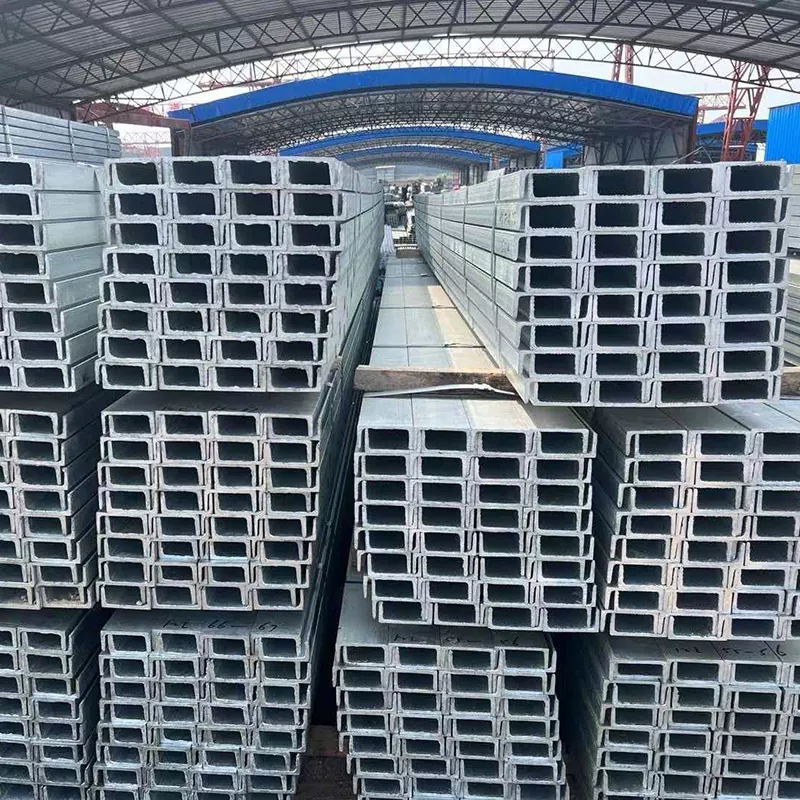
Galvanized Channel Steel
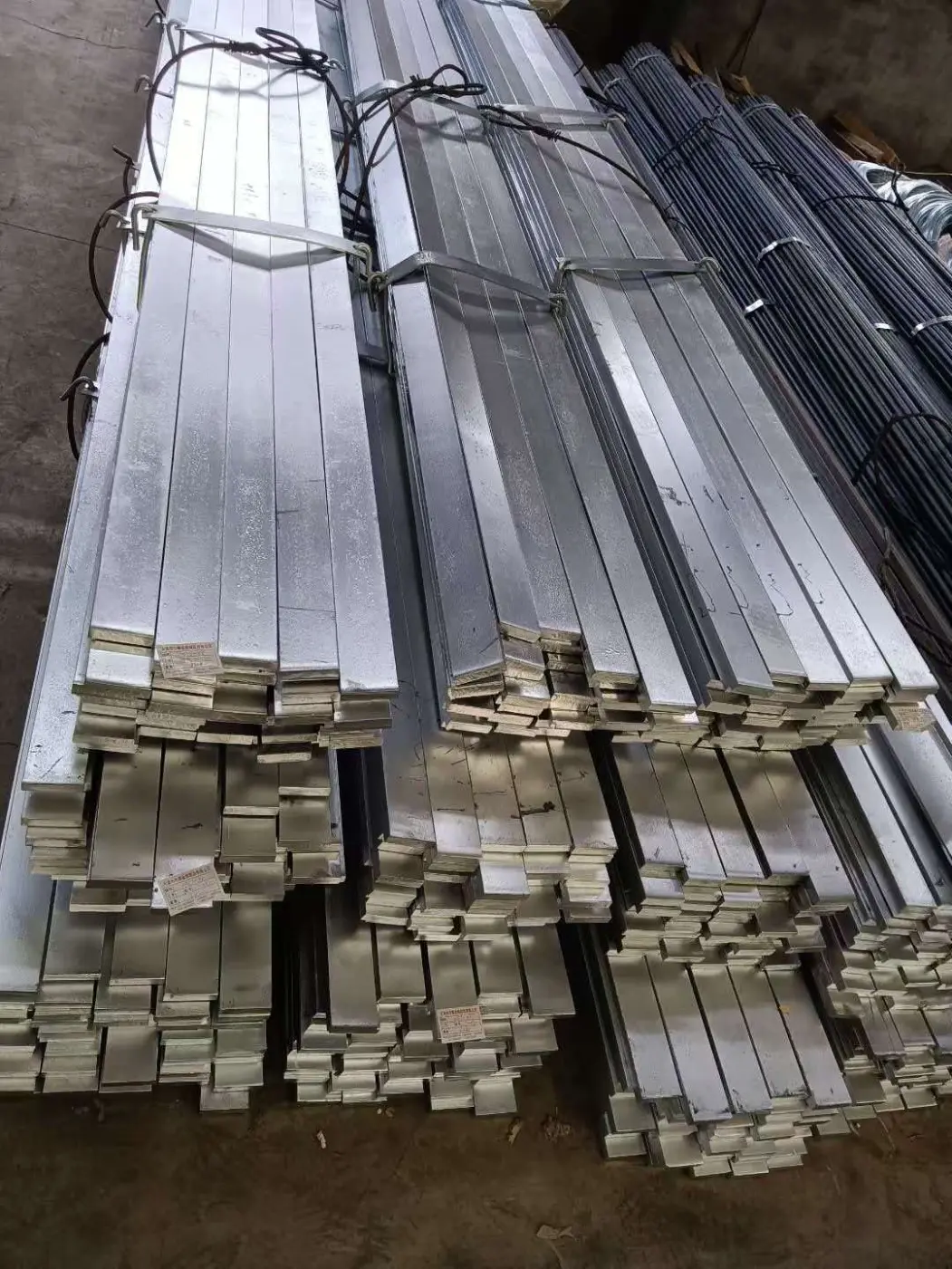
Tianjin Xinlida Steel Pipe Co., Ltd., established in 2015, has been deeply involved in the steel pipe industry for over a decade, building a complete industrial chain system of "domestic production + overseas bases + global trade." Relying on international manufacturing standards and a stable supply chain, we have launched galvanized channel steel as our core product. As a global steel pipe solutions provider, our galvanized channel steel integrates national standard precision, high-quality Q235B/Q355B materials, hot-dip galvanizing for long-lasting corrosion protection, full-specification stock availability, and non-standard customization capabilities. It directly addresses five core pain points in engineering procurement: incomplete specifications, substandard materials, poor corrosion resistance, slow delivery, and installation rework. We provide highly reliable structural materials for the construction, energy, transportation, and machinery manufacturing industries, while simultaneously adapting to the needs of supporting steel materials such as galvanized flat steel, providing a one-stop solution for global customers' material needs in all scenarios of steel structure load-bearing, support, and frame construction.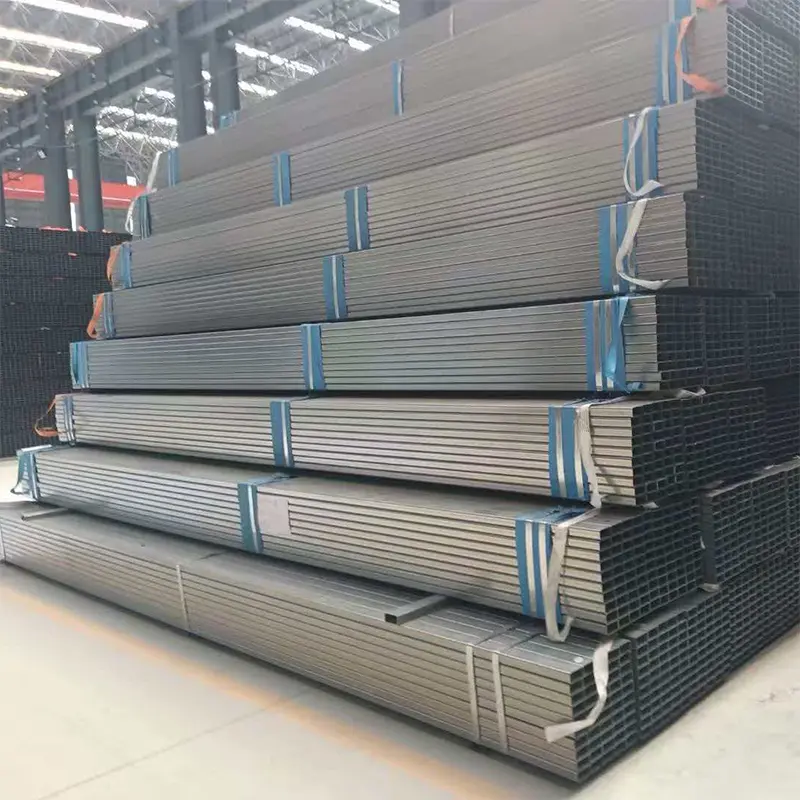
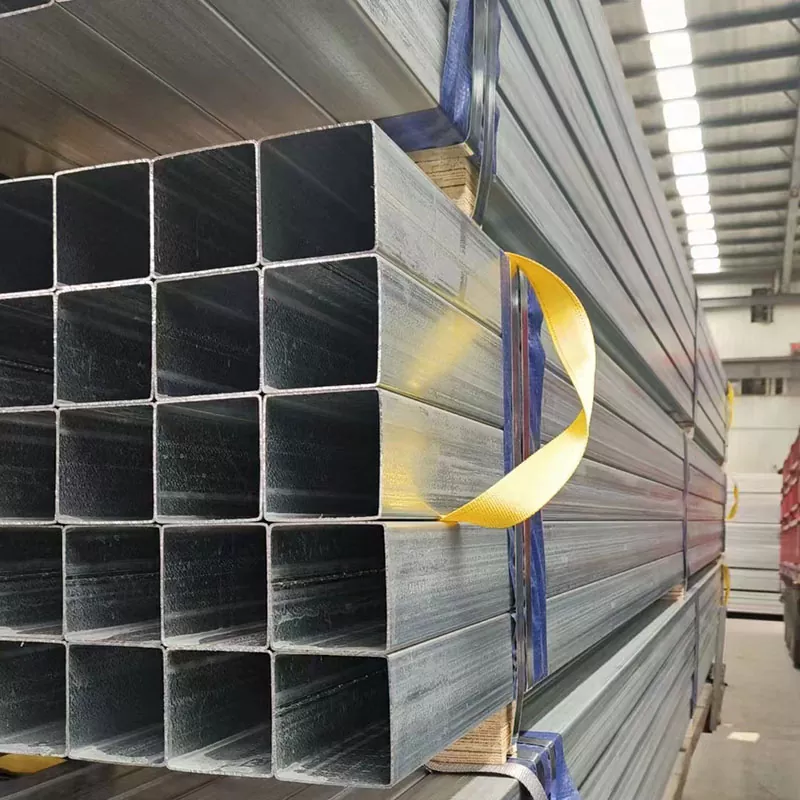
Rectangular Tube
The Rectangular Tube producted by Xinlida supplier is a kind of hollow pipe with square or rectangular cross section, which plays a key role in many industrial and civil fields. If you are interested in our products, you are welcome to cooperate with us.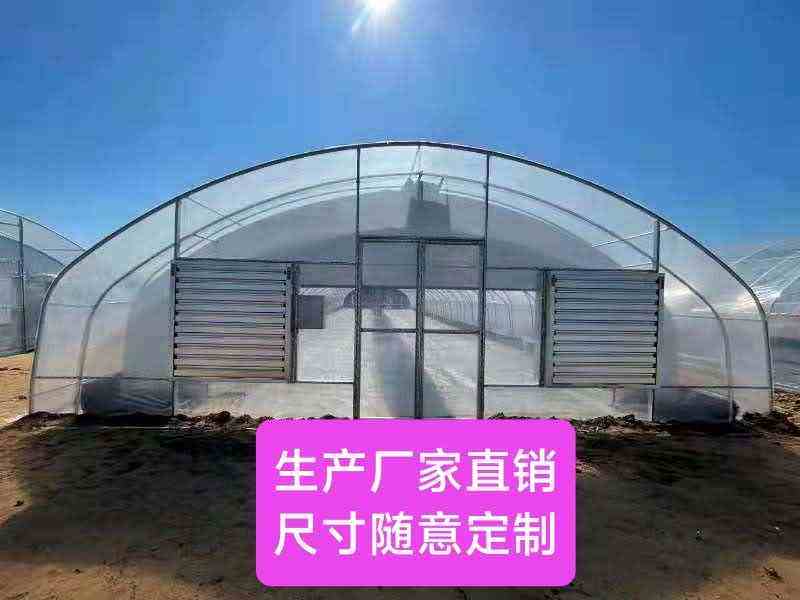
Hot-Dip Galvanized Elliptical Tube
Hot-Dip Galvanized Oval Tubing Tianjin Xinlida Steel Pipe is a primary manufacturer with cross-border trade qualifications, boasting an annual production capacity of 50 million tons and an intelligent manufacturing system. Its products meet international standards and are exported to markets such as Southeast Asia and the Middle East, fully catering to procurement needs for greenhouse projects both domestically and abroad. Addressing common pain points associated with greenhouse frameworks—such as rust, vulnerability to wind and snow damage, high construction costs, and short service lives—the company’s flagship product is:Hot-Dip Galvanized Elliptical Tube Leveraging the dual advantages of a premium hot-dip galvanizing process and a high-strength oval cross-section structure, this product vastly outperforms standard round tubing and inferior cold-galvanized pipes. It offers multiple benefits, including long-lasting corrosion resistance, superior wind and snow resistance, lightweight ease of installation, and excellent cost-effectiveness. The factory supports custom length processing, pre-drilling, and flexible specification customization, ensuring rapid order fulfillment and significantly reducing costs for both greenhouse construction and long-term maintenance. It is the ideal high-quality framing material for various types of cold greenhouses, warm greenhouses, and smart greenhouse facilities.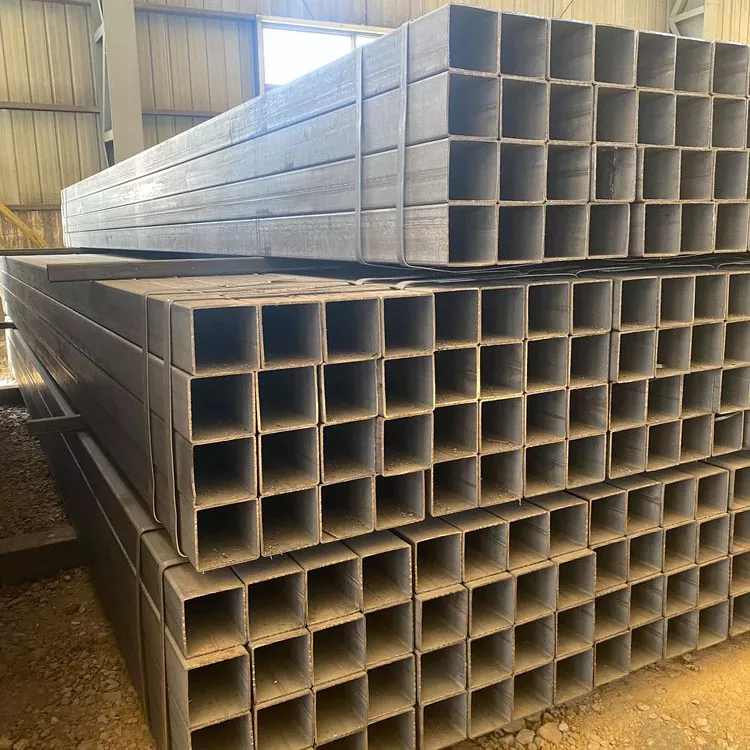
Black Striped Rectangular Tube
Since its establishment in 2015, Tianjin Xinlida Steel Pipe Co., Ltd. has been deeply engaged in the field of steel pipe manufacturing, processing and sales.We produce the black belt square tube, is a straight seam high frequency welding process made of steel pipes, its cross-section is square or rectangular.This Black Striped Rectangular Tube not only has a certain tensile strength, but also has good ductility, so it is widely used in many industries such as construction, machinery manufacturing, and automobile manufacturing.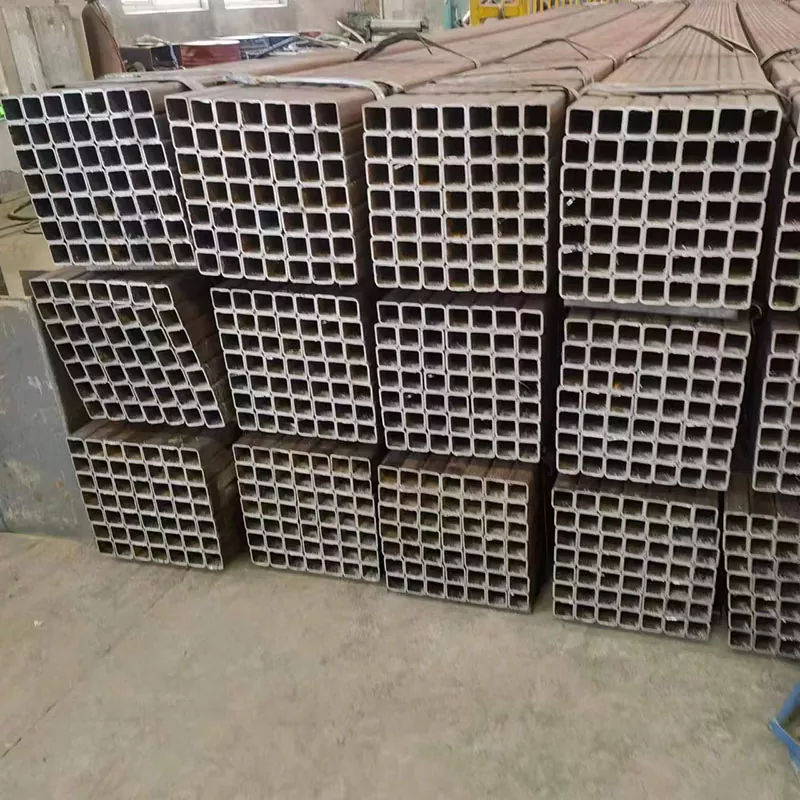
Thick-Walled Rectangular Tube
Xinlida’s China Thick-Walled Rectangular Tube is a kind of hollow thin wall tube with square or rectangular cross section, which occupies an important position in many fields by virtue of its own characteristics.Thin-walled square tube mainly has two kinds of welding technology: high frequency welding and cold rolling forming welding.
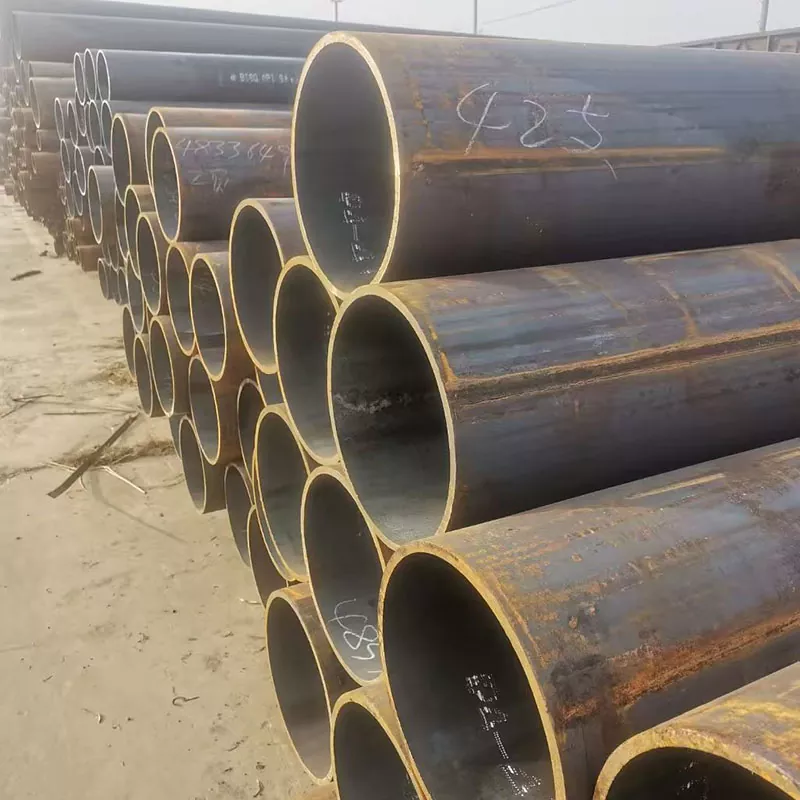
Black Seamless Steel Pipe
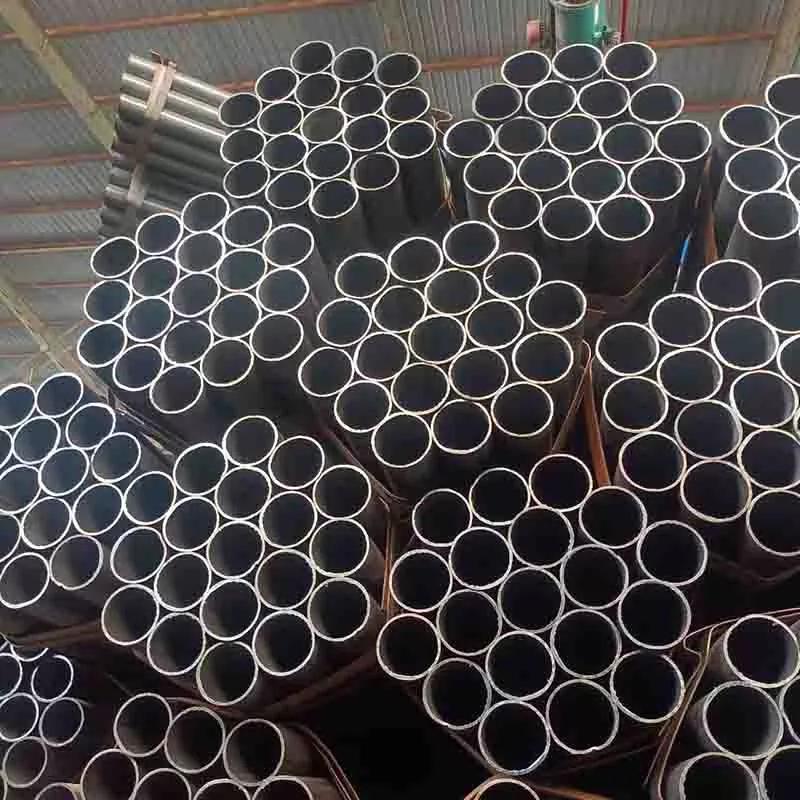
Xinlida supplier Black Seamless Steel Pipe is a seamless hollow circular steel made by hot-rolling process. With its own characteristics, it has been widely used in multiple industries such as petroleum, chemical engineering, power, mechanical manufacturing, and construction.
- Related Blog
- Reviews
