- English
- Español
- Português
- русский
- Français
- 日本語
- Deutsch
- tiếng Việt
- Italiano
- Nederlands
- ภาษาไทย
- Polski
- 한국어
- Svenska
- magyar
- Malay
- বাংলা ভাষার
- Dansk
- Suomi
- हिन्दी
- Pilipino
- Türkçe
- Gaeilge
- العربية
- Indonesia
- Norsk
- تمل
- český
- ελληνικά
- український
- Javanese
- فارسی
- தமிழ்
- తెలుగు
- नेपाली
- Burmese
- български
- ລາວ
- Latine
- Қазақша
- Euskal
- Azərbaycan
- Slovenský jazyk
- Македонски
- Lietuvos
- Eesti Keel
- Română
- Slovenski
- मराठी
- Srpski језик
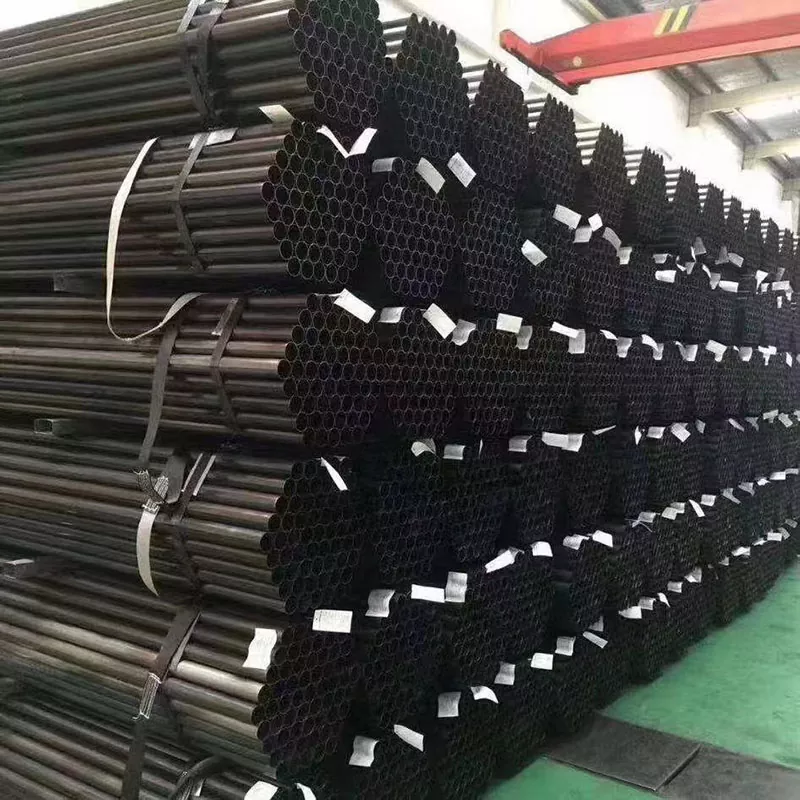
Straight Welded Seam Steel Pipe
For industrial applications demanding reliability and cost-effectiveness, the Straight Seam Welded Steel Tube is a fundamental component. This category of pipe, manufactured by forming steel and welding along its single longitudinal seam, offers superior performance for fluid and gas transport, structural frameworks, and various mechanical applications. The ERW Longitudinal Welded Pipe, a primary type within this family, utilizes the Electric Resistance Welding (ERW) process to create a strong, homogeneous bond without the use of filler materials. This efficient production method results in a product known for its excellent dimensional accuracy and consistent wall thickness. Often referred to as a Longitudinal Seam Welded Tube, its defining characteristic is the straight weld line running parallel to its axis, which distinguishes it from spirally welded alternatives. The integrity of an Electric Resistance Welded Straight Pipe is rigorously tested, ensuring it meets high standards for pressure containment and structural support across diverse industries, from construction and fencing to oil and gas conveyance.
The manufacturing excellence of the <产品名字> is reflected in its precise technical specifications, which are critical for engineering and procurement decisions. Key parameters include outer diameter (OD), wall thickness (WT), length, and the specific grade of steel used, each tailored to the pipe's intended service environment. The following tables outline standard specifications for common applications.
Standard Dimensional Specifications
| Nominal Pipe Size (NPS) | Outer Diameter (OD) in inches/mm | Schedule / Wall Thickness | Common Lengths (feet/meters) |
|---|---|---|---|
| 1/2" | 0.840" / 21.3 mm | Sch 40, Sch 80 | 21' / 6.4m |
| 1" | 1.315" / 33.4 mm | Sch 40, Sch 80, Sch 160 | 21' / 6.4m |
| 2" | 2.375" / 60.3 mm | Sch 40, Sch 80, STD, XS | 21' / 6.4m |
| 4" | 4.500" / 114.3 mm | Sch 40, Sch 80, Sch 120 | 21' / 6.4m |
| 6" | 6.625" / 168.3 mm | Sch 40, Sch 80, Sch 160 | 21' / 6.4m |
| 8" | 8.625" / 219.1 mm | Sch 40, Sch 80, STD, XS | 21' / 6.4m |
Material Grades & Key Properties
| Common Steel Grade | Standard Specification | Yield Strength Min (psi/MPa) | Tensile Strength Min (psi/MPa) | Primary Applications |
|---|---|---|---|---|
| A53 Grade B | ASTM A53 | 35,000 / 240 | 60,000 / 415 | General purpose, plumbing, low-pressure steam |
| A500 Grade B | ASTM A500 | 42,000 / 290 | 58,000 / 400 | Structural tubing, construction frames |
| API 5L Grade B | API 5L / ASTM A53 | 35,000 / 240 | 60,000 / 415 | Pipelines for oil, gas, and water |
| A513 | ASTM A513 | Varies by type | Varies by type | Mechanical tubing, automotive parts |
Beyond the core dimensions and materials, several other critical parameters define the performance envelope of these pipes. Surface finish is typically a smooth, mill finish, but options like black, galvanized, or painted coatings are available for enhanced corrosion resistance. Tolerances for straightness, ovality, and wall thickness are strictly controlled per the governing ASTM, API, or EN standards. The welding process is subject to non-destructive testing (NDT), such as ultrasonic or eddy current testing, to ensure seam integrity. Hydrostatic testing is commonly performed to verify pressure ratings, often specified as a minimum test pressure (e.g., 1000 psi for certain schedules). End treatments, including plain end, beveled end for welding, or threaded and coupled, are offered based on installation requirements. Chemical composition, particularly carbon, manganese, and sulfur content, is carefully managed to achieve the desired balance of strength, weldability, and formability for the target grade.
Related Products
Hot Products
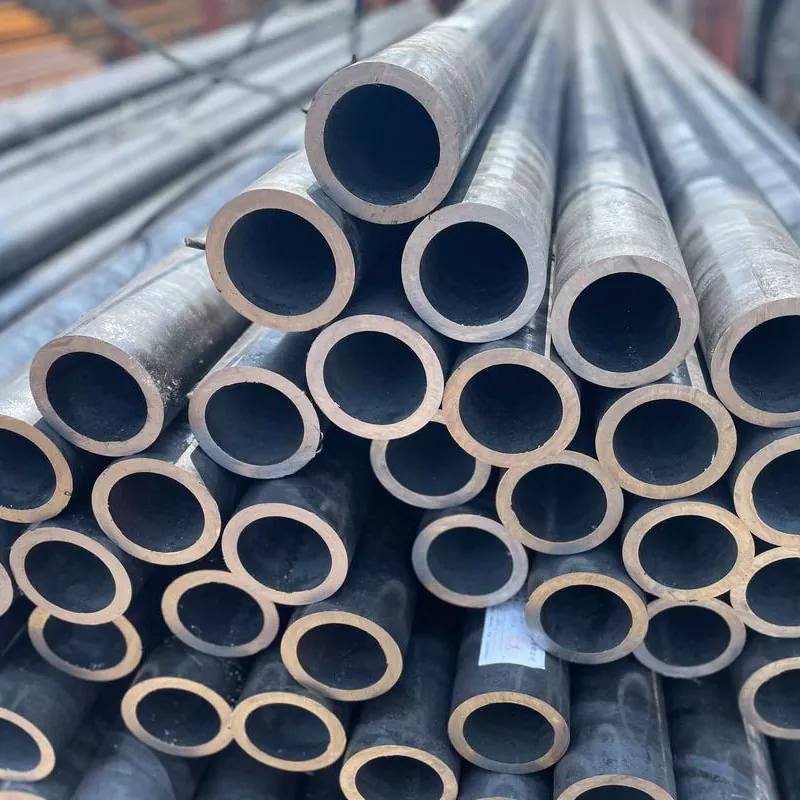
Hot-Rolled Seamless Steel Pipe
The China Hot-Rolled Seamless Steel Pipe manufactured by Xinlida is formed through the hot-rolling process and has a circular hollow structure. It is a basic steel widely used in various industries. Its unique production method endows the product with multiple advantages, making it suitable for various complex working conditions.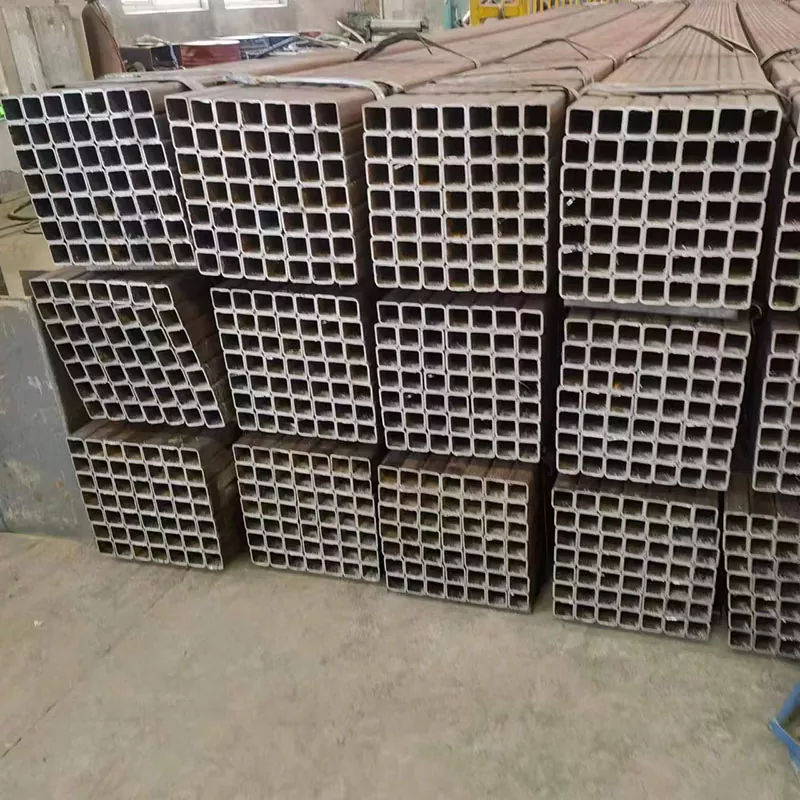
Thick-Walled Rectangular Tube
Xinlida’s China Thick-Walled Rectangular Tube is a kind of hollow thin wall tube with square or rectangular cross section, which occupies an important position in many fields by virtue of its own characteristics.Thin-walled square tube mainly has two kinds of welding technology: high frequency welding and cold rolling forming welding.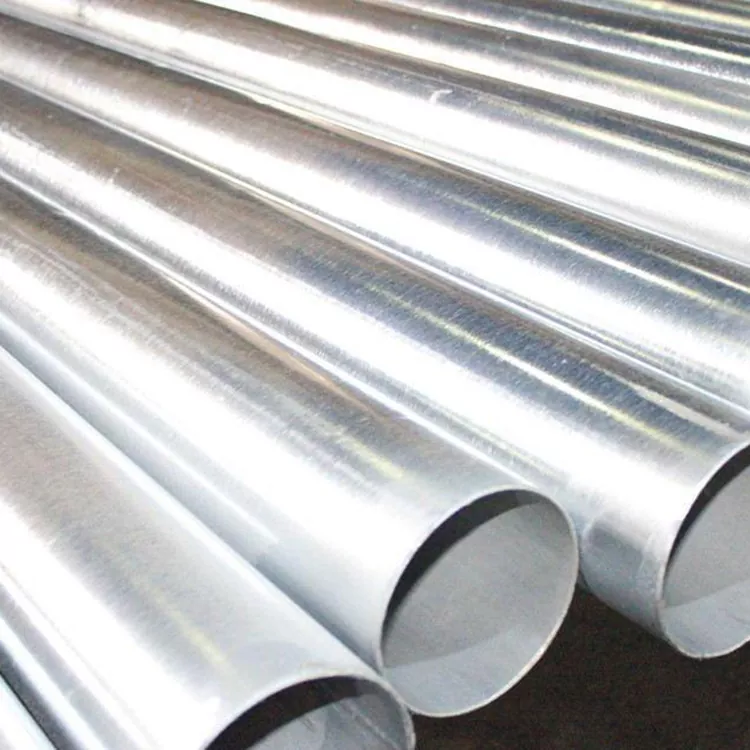
Galvanized Cold-Rolled Seamless Steel Pipe
Xinlida's China Galvanized Cold-Rolled Seamless Steel Pipe is a seamless steel pipe produced by the cold-rolling process. Compared with hot-rolled steel pipes, the cold-rolling process endows it with higher precision and better surface quality. The wall thickness of its pipes is uniform and the dimensional accuracy is high. Generally, the outer diameter tolerance is controlled within ±0.1mm, and the wall thickness tolerance is about ±0.05mm. It can meet the demands of high-precision processing. Meanwhile, the surface of cold-rolled seamless steel pipes is smooth, which reduces the resistance of fluid flow in the pipeline and improves the transportation efficiency. They are widely used in industries such as petroleum, natural gas, chemical engineering, boilers, and mechanical manufacturing.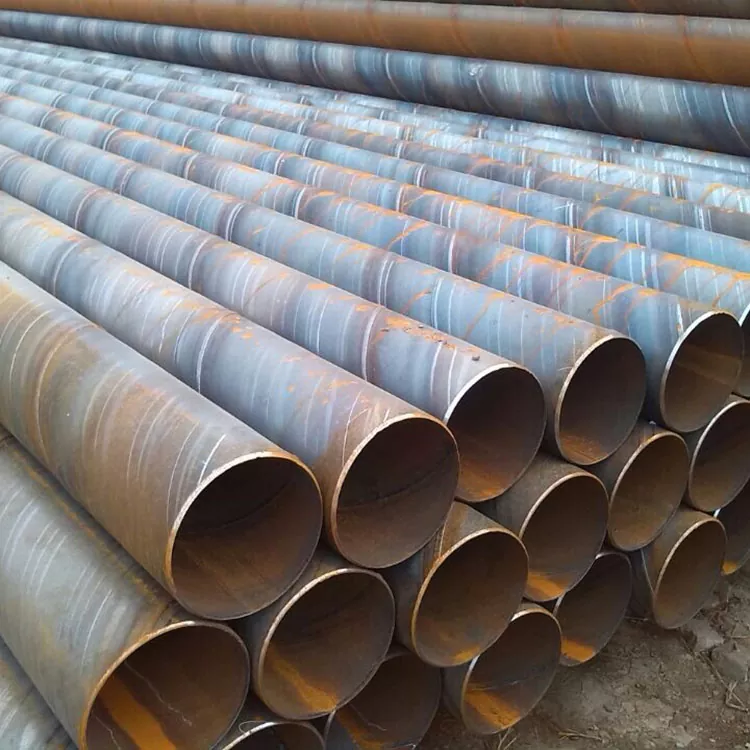
Small Diameter Spiral Welded Pipe
The China Small Diameter Spiral Welded Pipe produced by Tianjin Xinlida Steel Pipe Co., Ltd. adopts double-sided submerged arc welding technology, combined with wound submerged arc welding technology, to make the weld uniform and spiral distribution.This unique welding method gives the steel pipe high strength characteristics, its ability to withstand internal pressure is stronger, the strength is higher than the straight seam welding pipe, especially suitable for high-pressure transportation scenarios, whether it is oil, natural gas long-distance transportation, or chemical raw materials high-pressure transmission, can easily cope with.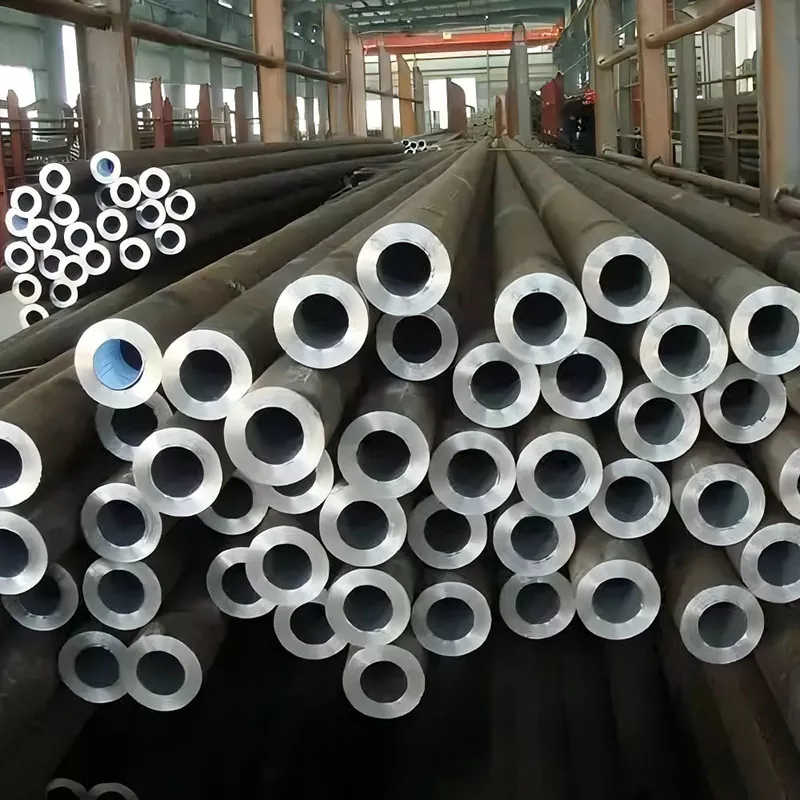
Thin-Wall Spiral Welded Pipe
Tianjin Xinlida Steel Pipe Co., Ltd. has been deeply cultivated in the field of steel pipe manufacturing for many years, specializing in the production of Thin-Wall Spiral Welded Pipe. The products have received many praises for their excellent performance and quality.
Spiral welded pipe for steel structures
Tianjin Xinlida Steel Pipe Co., Ltd. focuses on its core steel pipe business, with Spiral welded pipe for steel structures being one of its core products. The products utilize mature welding technology, resulting in robust structures, excellent load-bearing capacity, and adaptability to various needs in steel structure construction, meeting relevant quality standards. Leveraging its import and export qualifications, the company engages in cross-border trade of spiral welded pipes for steel structures, covering overseas markets such as Southeast Asia and the Middle East. Its reliable quality and attentive service have earned recognition from customers both domestically and internationally. The products are highly adaptable, with specifications adjustable to meet the specific requirements of steel structure projects. The company provides efficient services throughout the entire process, from product selection to cross-border delivery, accurately matching needs and ensuring efficient order fulfillment, showcasing the company's strength and service advantages.
- Related Blog
- Reviews
