- English
- Español
- Português
- русский
- Français
- 日本語
- Deutsch
- tiếng Việt
- Italiano
- Nederlands
- ภาษาไทย
- Polski
- 한국어
- Svenska
- magyar
- Malay
- বাংলা ভাষার
- Dansk
- Suomi
- हिन्दी
- Pilipino
- Türkçe
- Gaeilge
- العربية
- Indonesia
- Norsk
- تمل
- český
- ελληνικά
- український
- Javanese
- فارسی
- தமிழ்
- తెలుగు
- नेपाली
- Burmese
- български
- ລາວ
- Latine
- Қазақша
- Euskal
- Azərbaycan
- Slovenský jazyk
- Македонски
- Lietuvos
- Eesti Keel
- Română
- Slovenski
- मराठी
- Srpski језик
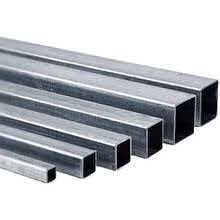
Minimal Wall Rectangular Tube
In the realm of structural and architectural design, achieving maximum strength with minimal material weight is a constant engineering pursuit. This is where the significance of thin-walled rectangular profiles becomes paramount. For applications demanding a sleek aesthetic, efficient load-bearing, and material economy, our **Minimal Wall Rectangular Tube** offers an optimal solution. This product category is engineered for scenarios where heavy sections are unnecessary or undesirable, providing a perfect balance between structural integrity and lightweight design. Closely related solutions include the Light Gauge Rectangular Hollow Tube, ideal for framing and supports where weight is critical. Similarly, the Slim Thickness Rectangular Steel Pipe serves applications requiring clean lines and reduced mass. For broader structural sections with a focus on efficient material use, the Low Wall Rectangular Hollow Section is a key offering. Finally, precision-focused projects benefit from the Fine Wall Rectangular Steel Tube, known for its consistent dimensions and excellent surface finish. Our minimal wall tubes are manufactured to exacting standards, ensuring high performance in furniture frameworks, automotive roll cages (for non-critical structural members), exhibition stands, and lightweight industrial frames.
The defining characteristic of the **Minimal Wall Rectangular Tube** lies in its precise geometric and material specifications, which directly influence its mechanical properties and suitability for various loads. The product is typically fabricated from high-strength, low-alloy (HSLA) steel or carbon steel, offering an excellent strength-to-weight ratio. Key parameters that engineers and fabricators evaluate include external dimensions, wall thickness, and sectional properties. Below is a detailed breakdown of standard specifications and performance metrics for our product range. These specifications ensure that the **Minimal Wall Rectangular Tube** meets the rigorous demands of modern design, providing reliable performance while optimizing material usage and cost-efficiency.
Standard Specifications & Dimensional Tolerances
| Nominal Size (H x W) | Wall Thickness (t) | Standard Length | Dimensional Tolerance (H/W) | Wall Thickness Tolerance |
|---|---|---|---|---|
| 20 mm x 10 mm | 1.0 mm | 6.0 meters | ±0.5 mm | ±0.1 mm |
| 25 mm x 15 mm | 1.2 mm | 6.0 meters | ±0.5 mm | ±0.12 mm |
| 30 mm x 20 mm | 1.5 mm | 6.0 meters | ±0.7 mm | ±0.15 mm |
| 40 mm x 20 mm | 1.5 mm | 6.0 meters | ±0.7 mm | ±0.15 mm |
| 50 mm x 25 mm | 1.8 mm | 6.0 / 12.0 meters | ±1.0 mm | ±0.18 mm |
| 60 mm x 40 mm | 2.0 mm | 6.0 / 12.0 meters | ±1.0 mm | ±0.2 mm |
Material Properties & Performance Data
The following list details the core material characteristics and calculated sectional properties for a standard grade, which are crucial for structural analysis:
- Standard Grade: S355J2H / ASTM A500 Grade C
- Yield Strength (Min): 355 MPa / 345 MPa
- Tensile Strength: 470 - 630 MPa / 415 MPa Min
- Elongation: ≥ 22% (on a standard gauge length)
- Sectional Area: Calculated based on exact dimensions; e.g., a 50x25x1.8mm tube has an approximate area of 2.54 cm².
- Moment of Inertia (Ixx, Iyy): Values are provided in technical datasheets for precise bending stiffness calculations.
- Section Modulus (Zxx, Zyy): Critical for determining the bending moment capacity of the section.
- Surface Finish: Mill finish (hot-rolled pickled and oiled) or galvanized (to EN ISO 1461) for corrosion protection.
- Primary Applications: Light structural frameworks, machinery guards, DIY projects, furniture chassis, display systems, and automotive accessories.
Related Products

Hot Products
Hot-rolled seamless steel pipes for water supply and drainage
In the field of water supply and drainage engineering, Hot-rolled seamless steel pipes for water supply and drainage play a crucial role, serving as key materials to ensure smooth water flow and stable system operation. Tianjin Xinlida Steel Pipe Co., Ltd., a leader in the steel pipe industry, has demonstrated outstanding performance in the production and supply of hot-rolled seamless steel pipes for water supply and drainage.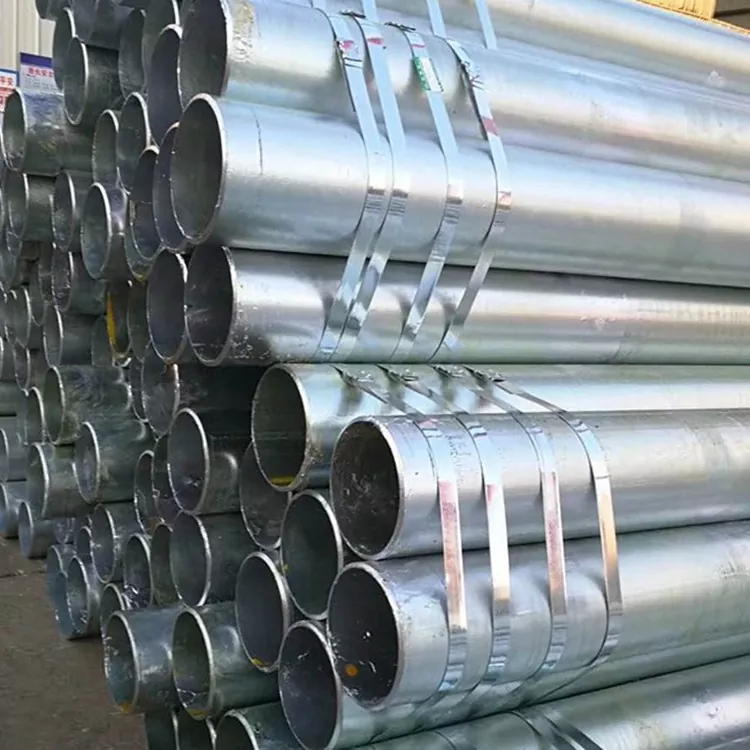
Wear-resistant cold-rolled seamless steel pipe
In the process of industrial development, various types of steel pipes play a vital role. Among them, Wear-resistant cold-rolled seamless steel pipe have demonstrated strong competitiveness in many fields due to their unique properties. Tianjin Xinlida Steel Pipe Co., Ltd. has an outstanding performance in this field.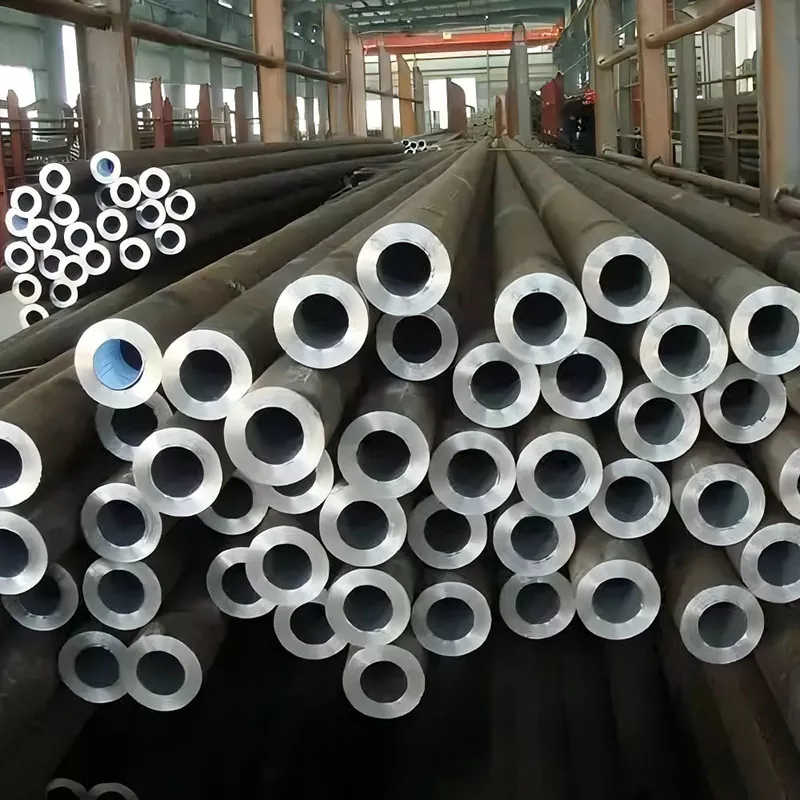
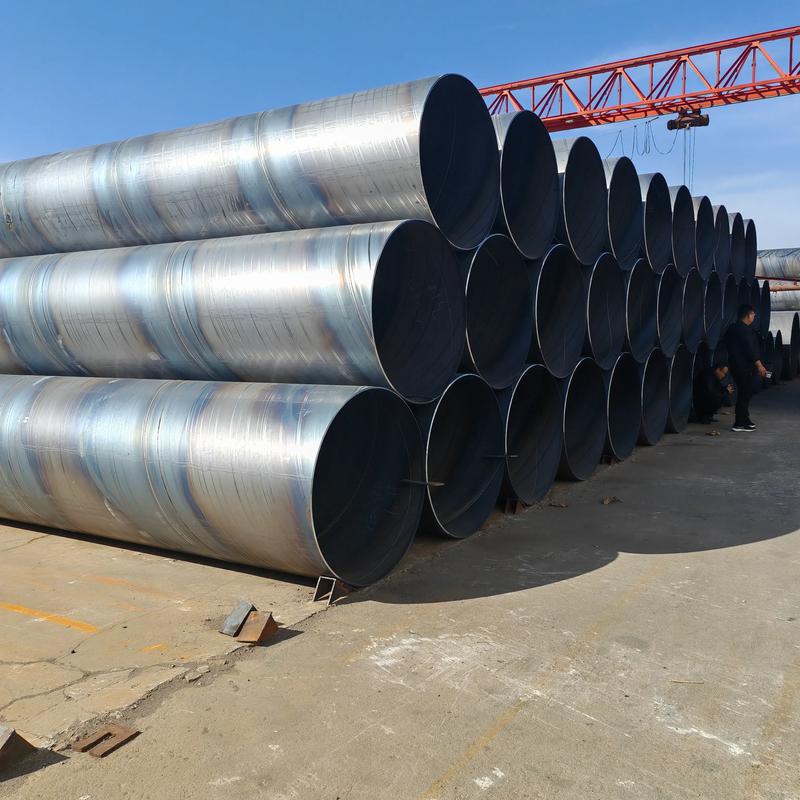
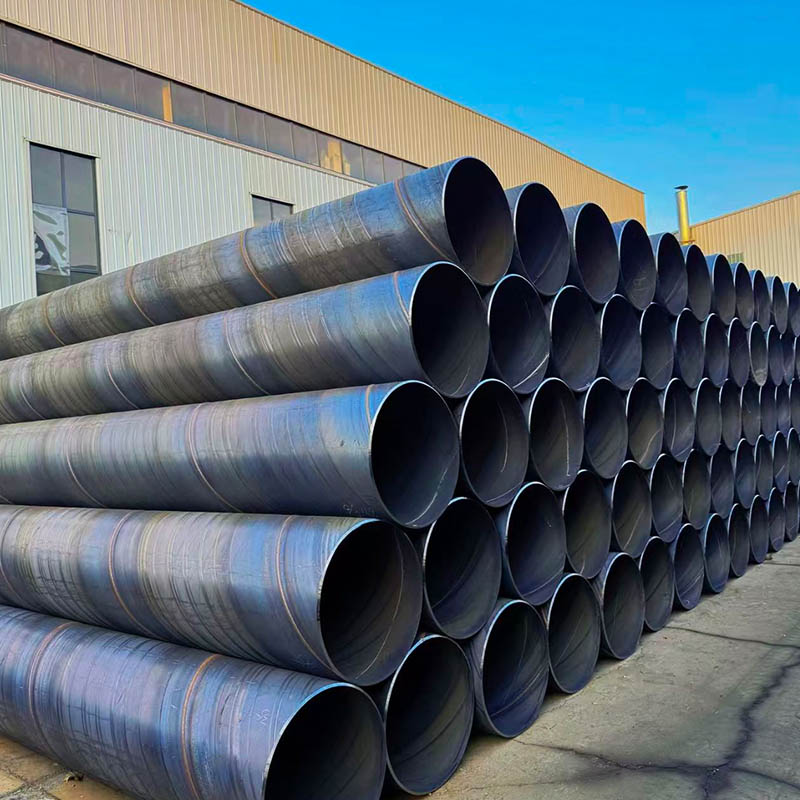
Thin-Wall Spiral Welded Pipe
Tianjin Xinlida Steel Pipe Co., Ltd. has been deeply cultivated in the field of steel pipe manufacturing for many years, specializing in the production of Thin-Wall Spiral Welded Pipe. The products have received many praises for their excellent performance and quality.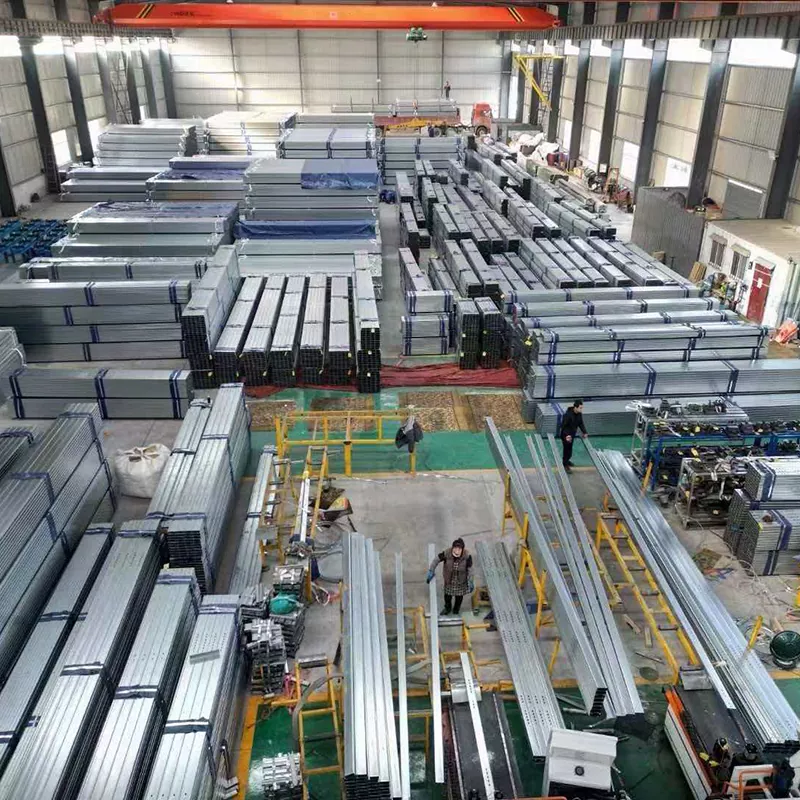
National Standard Hot-Dip Galvanized Square and Rectangular Tubes
Xinlida Steel Pipe's national standard hot-dip galvanized square and rectangular tubes are hollow steel components made from high-quality steel strips or plates through cold bending, precision welding, or hot rolling processes. Their cross-section is a standard rectangle with all internal angles at a standard 90°. They are mainly used in load-bearing, support, and frame structures. National standard hot-dip galvanized square and rectangular tubes reduce weight by 30%-50%, increasing mileage by 12% in vehicle applications. This lightweight advantage significantly reduces transportation and installation costs. The flat contact surface design provides more connection methods, improving installation efficiency by 40% compared to round steel tubes, with node connection accuracy reaching ±0.1 mm.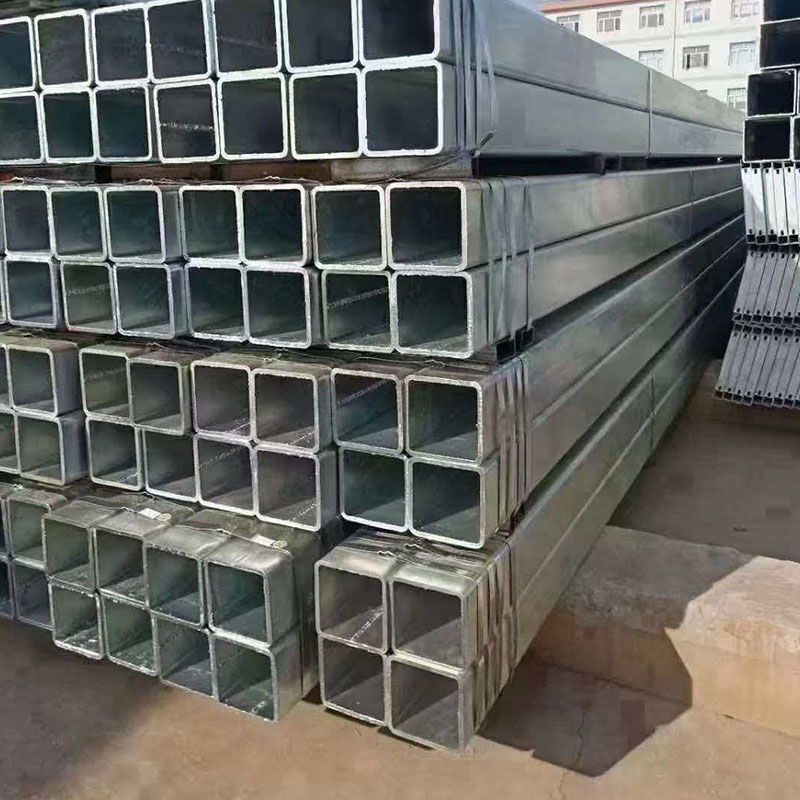
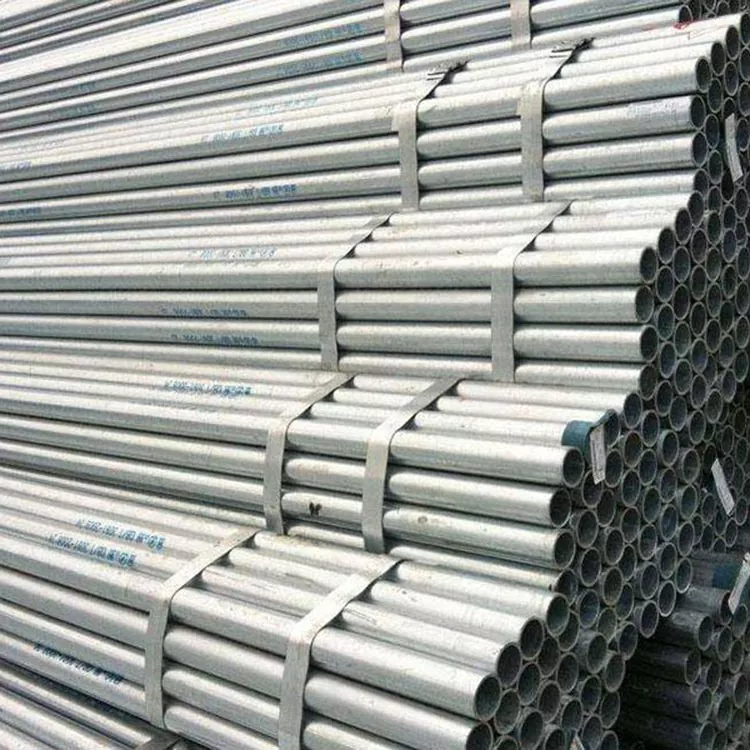
Hot-Dip Galvanized Square and Rectangular Tubes
Tianjin Xinlida Steel Pipe Co., Ltd. has been deeply involved in the steel pipe industry for many years, establishing an integrated business structure encompassing domestic production, overseas bases, and global trade. Leveraging its formal import and export qualifications, the company has cultivated the cross-border trade market, with products exported to Southeast Asia, the Middle East, and other regions. Equipped with intelligent production equipment, the company boasts an annual production capacity of 50 million tons. Its production processes and equipment meet international standards, with its Hot-dip galvanized square and rectangular tubes being a primary export product. The core advantages of this pipe lie in its excellent corrosion and rust resistance and robust workmanship, perfectly meeting the needs of various overseas engineering, construction, energy, and transportation projects. The factory also supports flexible order adjustments and customized processing, maintaining ample stock and efficient delivery. This effectively solves procurement challenges for buyers, such as unstable supply, specification discrepancies, tight deadlines, and the susceptibility to rust and loss of outdoor pipes, making it a reliable choice for domestic and international customers procuring square and rectangular tubes.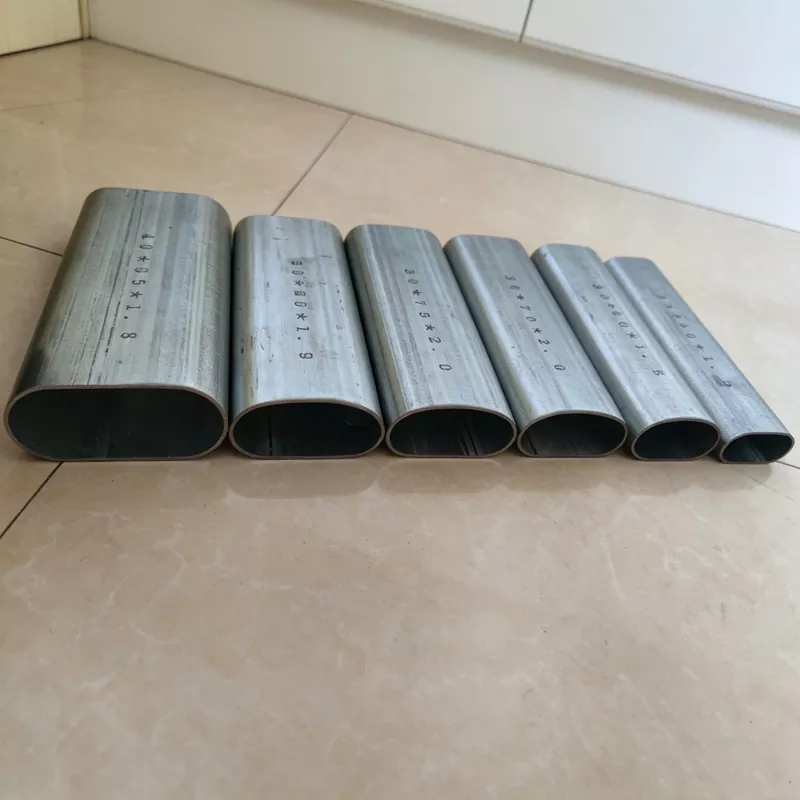
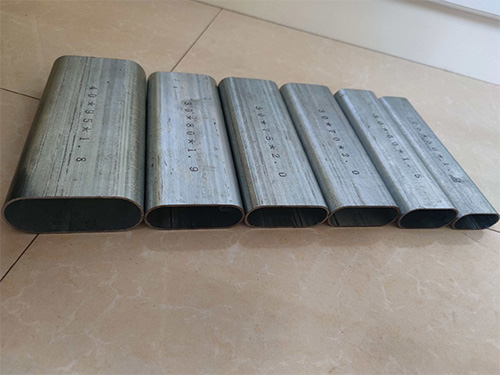
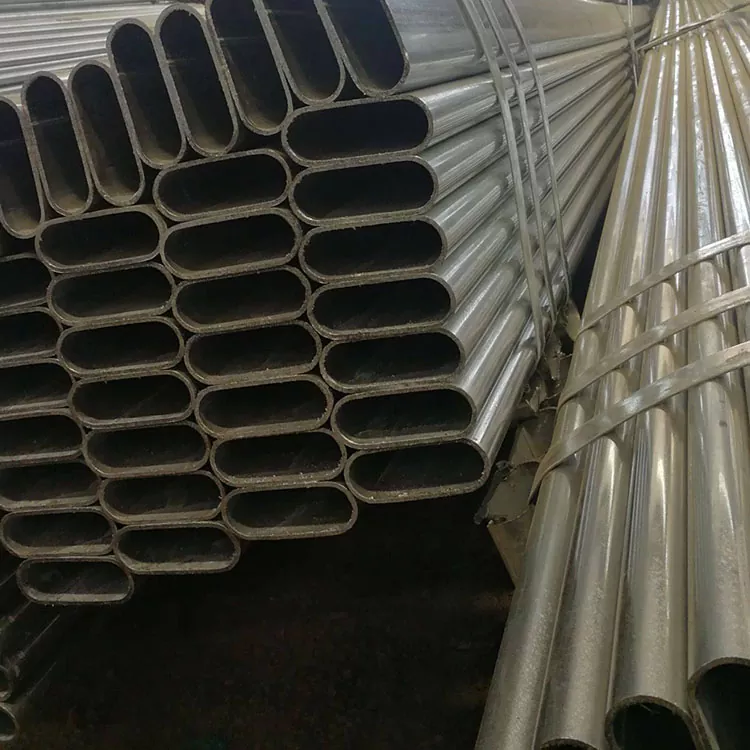
Galvanized Oval Steel Pipe
Galvanized oval steel pipes use ordinary carbon structural steel or low-alloy structural steel round pipes as the base material. Through hot-dip galvanizing or electro-galvanizing processes, a uniform and dense zinc layer is formed on the inner and outer surfaces of the pipe. Its core function is to achieve long-term corrosion resistance through the sacrificial anode protection of the zinc layer, while also possessing basic properties such as pressure resistance, transportation, and support. Custom lengths are available, and further processing is possible. They are widely used in agricultural greenhouses and greenhouse frames!
- Related Blog
- Reviews
