- English
- Español
- Português
- русский
- Français
- 日本語
- Deutsch
- tiếng Việt
- Italiano
- Nederlands
- ภาษาไทย
- Polski
- 한국어
- Svenska
- magyar
- Malay
- বাংলা ভাষার
- Dansk
- Suomi
- हिन्दी
- Pilipino
- Türkçe
- Gaeilge
- العربية
- Indonesia
- Norsk
- تمل
- český
- ελληνικά
- український
- Javanese
- فارسی
- தமிழ்
- తెలుగు
- नेपाली
- Burmese
- български
- ລາວ
- Latine
- Қазақша
- Euskal
- Azərbaycan
- Slovenský jazyk
- Македонски
- Lietuvos
- Eesti Keel
- Română
- Slovenski
- मराठी
- Srpski језик
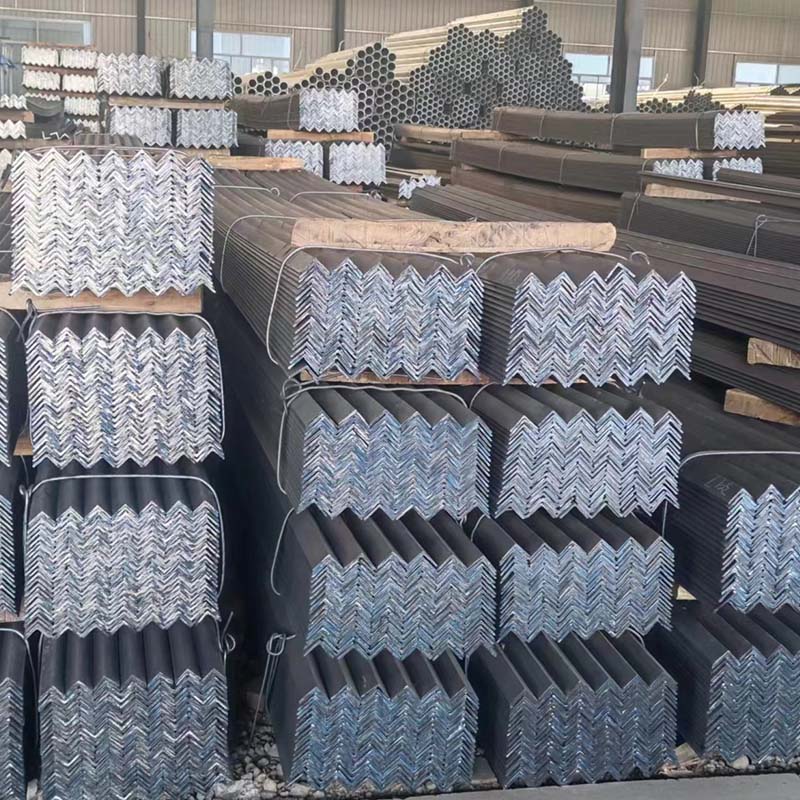
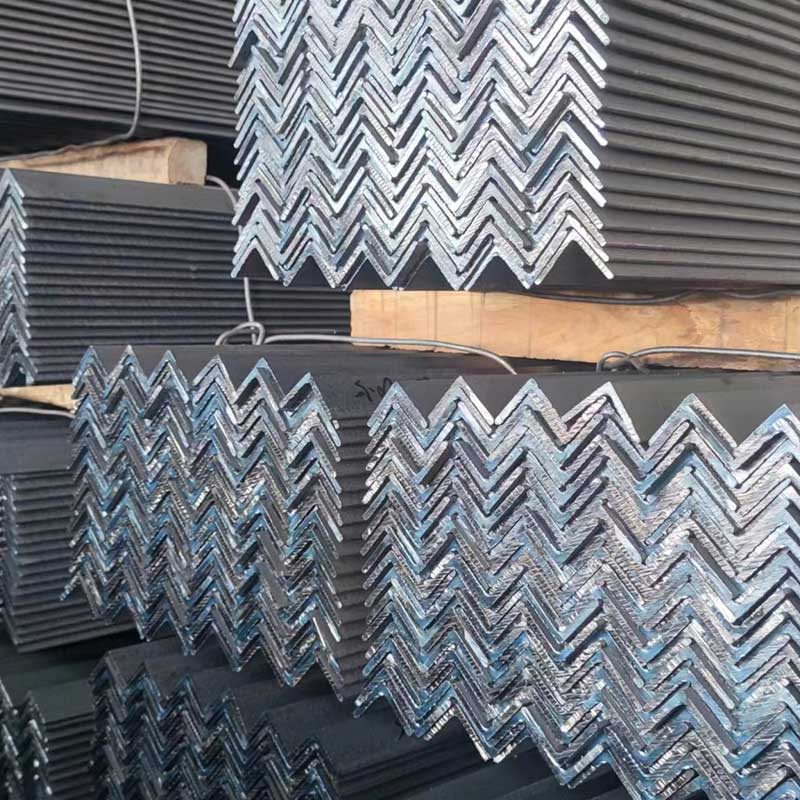
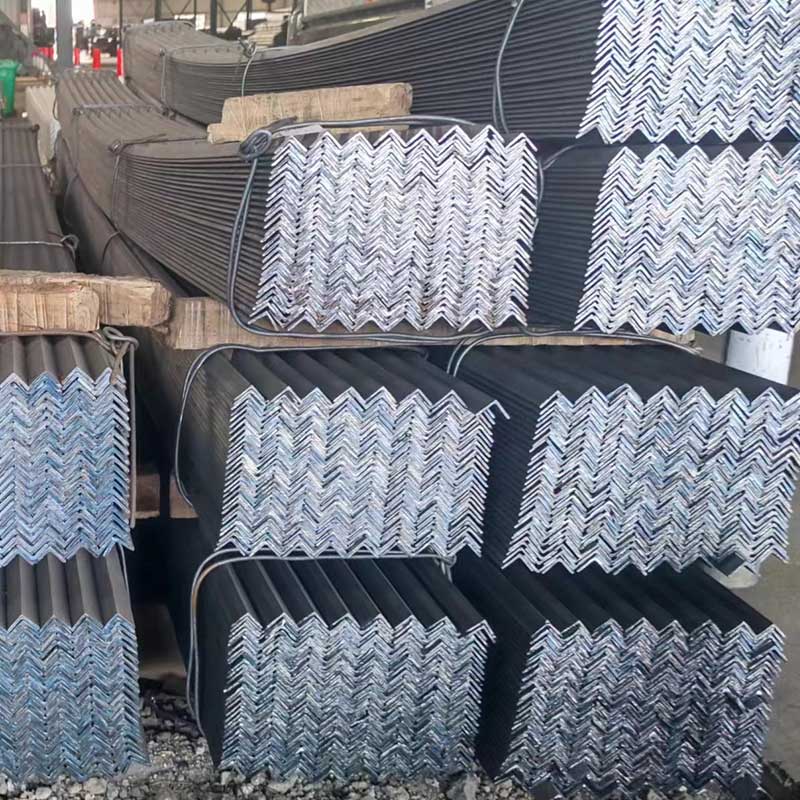
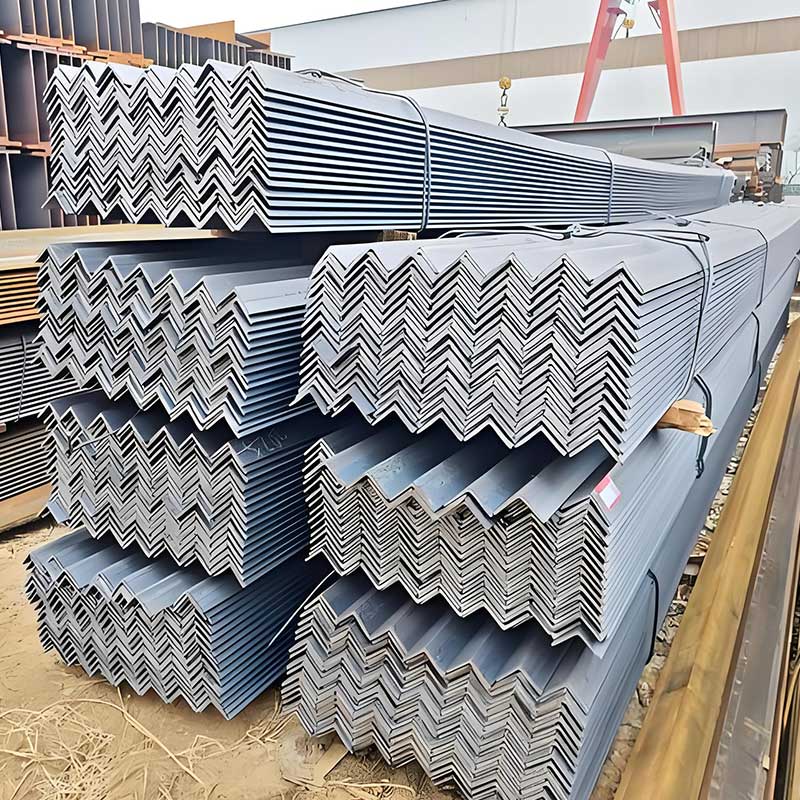
Natural-finish angle steel
Tianjin Xinlida Steel Pipe Co., Ltd. has long been established in the steel profile and pipe manufacturing industry, having built an integrated operational system that encompasses standardized domestic production facilities, overseas manufacturing bases, and global import-export trade. The company specializes in Natural-finish angle steel—also known as "black" or "black-skin" angle steel—which is hot-rolled from Q235B and Q355B steel grades. Formed through high-temperature rolling, the steel retains a natural black oxide surface layer and undergoes no artificial anti-corrosion treatments such as galvanizing or painting. The product range includes both equal-leg and unequal-leg angle steels, characterized by high structural strength, excellent rigidity, superior resistance to compression and bending, ease of processing, and outstanding cost-effectiveness. As a versatile, general-purpose structural profile available in a wide array of specifications, it is highly adaptable. It is primarily used in dry indoor environments, enclosed steel structures, temporary supports, and projects where anti-corrosion treatment is applied subsequently by the user. It serves as a fundamental steel product widely utilized in construction, machinery, piping supports, and factory framework applications.
Send Inquiry
Product Description
Product Overview
Natural-finish angle steel is an L-shaped structural profile formed directly through a hot-rolling process; it is commonly known as "black angle steel" due to the dense, black oxide layer formed on its surface during high-temperature rolling. As the product undergoes no anti-corrosion coating treatment, it retains the steel's original mechanical properties. It is available in two types: equal-leg angle steel (with legs of identical width, offering maximum versatility) and unequal-leg angle steel (with legs of different widths, suitable for applications involving irregular loading, eccentric loads, or space constraints). These profiles feature low production costs and a comprehensive range of specifications, allowing for flexible secondary processing such as cutting, drilling, welding, and bending. Users can select appropriate anti-corrosion measures—such as painting or galvanizing—based on specific operating conditions. They are widely used in applications including indoor structural framing, equipment support, and pipeline support systems.
Production Process Flow
Billet inspection and sorting → High-temperature heating → Multi-pass hot rolling → Straightening → Cropping to length → Surface cleaning → Final dimensional and visual inspection → Classification, marking, and warehousing.
Key Process Advantages: Formed as a single integral unit via hot rolling, resulting in a dense metallurgical microstructure free from internal defects such as laminations or porosity, and ensuring consistent mechanical properties. The streamlined production process eliminates the need for additional anti-corrosion treatments, effectively controlling costs; the process offers flexible size switching, enabling volume supply of a full range of standard and custom dimensions.
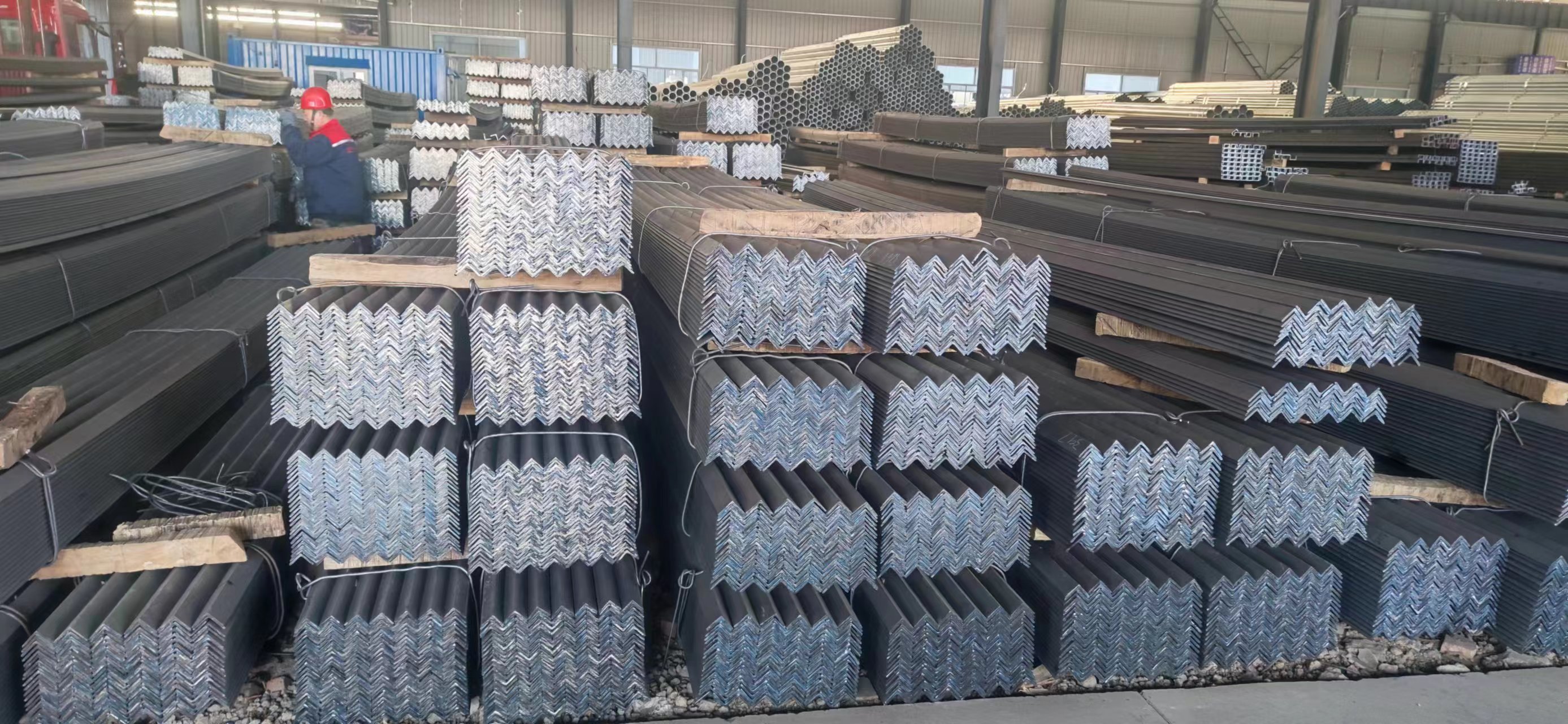
Key Technical Specifications
Common Materials: Q235B (standard grade; preferred choice for civil and general engineering applications); Q355B (high-strength grade; suitable for heavy-load and long-span structures)
Product Classification: Equal-leg angle steel, unequal-leg angle steel
Standard Specifications: Equal-leg angles 20#–200# (leg length 20mm–200mm); unequal-leg angles available in mainstream sizes and custom non-standard dimensions
Standard Thickness: 3mm–20mm (comprehensive range of thin, medium, and thick gauges to meet load requirements from light to heavy)
Standard Lengths: Fixed lengths of 6m, 9m, and 12m; custom lengths, cut-to-size, and sectional processing available
Implementation Standard: GB/T 706-2016 (National Standard for Hot-Rolled Structural Steel)
Theoretical Weight Formula (Equal-leg Angle): Weight per meter (kg) = 0.00785 × leg thickness × (2 × leg width − leg thickness)
Key Performance Advantages
Stable mechanical properties and high load-bearing capacity: Hot-rolled forming ensures a uniform microstructure and excellent resistance to bending, compression, and torsion; the structure is robust and capable of handling various static and dynamic load conditions.
Comprehensive specifications and flexible selection: A full range of side lengths and thicknesses is available, including both equal and unequal leg angles, meeting diverse requirements for structural loads and installation spaces.
Excellent processing characteristics: Uniform material quality allows for easy on-site processing—such as cutting, drilling, welding, bending, and grinding—simplifying construction and suiting various on-site assembly operations.
High cost-effectiveness: No additional anti-corrosion processing is required, resulting in low procurement costs and budget-friendly pricing; ideal for large-scale indoor projects and the construction of temporary facilities.
Flexible for modification: The raw surface allows for direct application of anti-corrosion treatments—such as rust removal, painting, hot-dip galvanizing, or spraying—enabling protective measures to be tailored to the specific usage environment.
Broad adaptability: These standard profiles offer high versatility and can be combined with various steel products and accessories to construct frameworks, supports, connectors, and other structural elements.
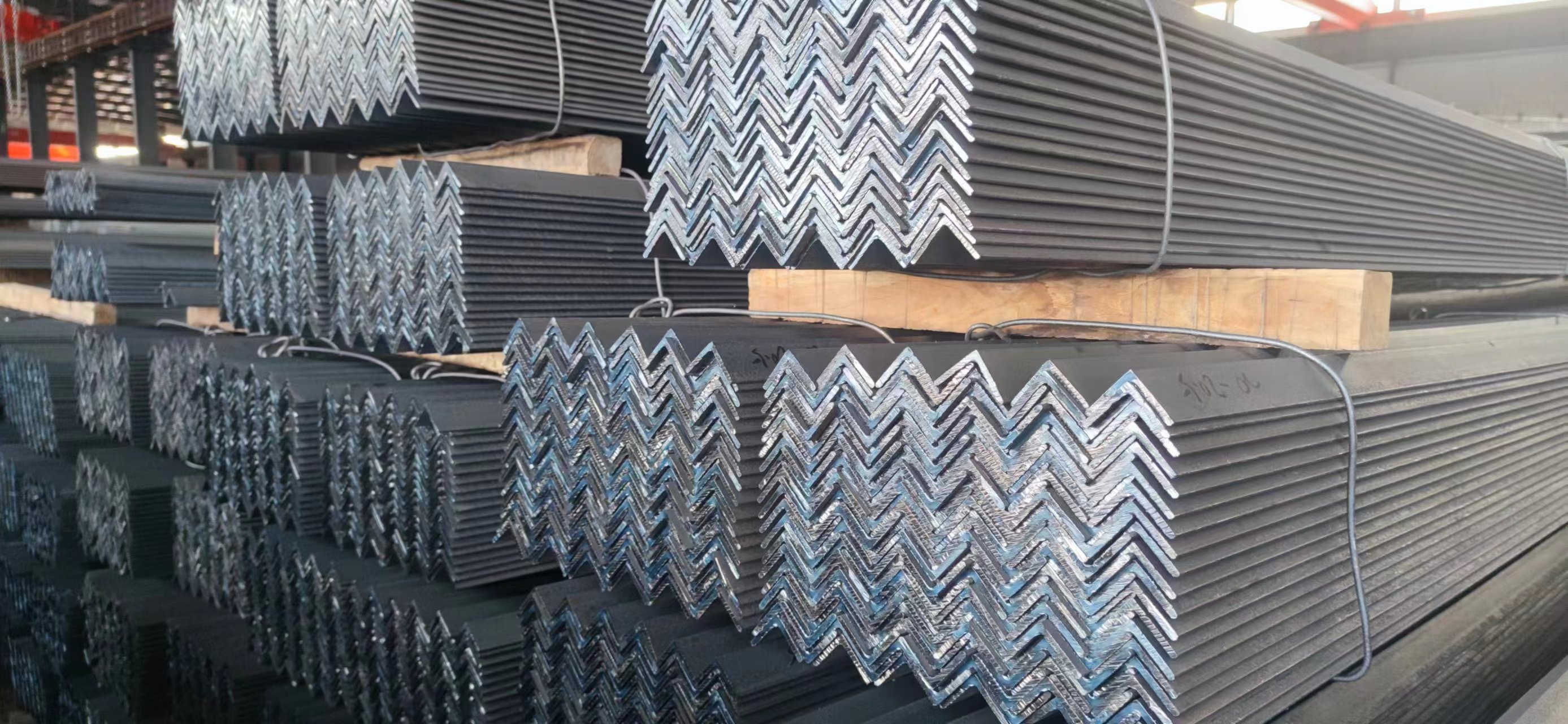
Key Application Areas
Interior Construction: Factory interior frameworks, floor reinforcement components, wall supports, and interior steel structure connectors
Piping and Equipment Supports: Indoor supports and hangers for plumbing, HVAC, and industrial pipelines; bases and auxiliary supports for machinery and equipment
Temporary Structures: Temporary site safety scaffolding, frameworks for temporary enclosures, and short-term support structures
Machinery Manufacturing: Equipment frames, auxiliary structures for machine tools, and fasteners for mechanical components
Warehouse Infrastructure: Indoor shelving supports, warehouse platform frameworks, and indoor safety railings for factory facilities
Steel Structure Processing: Used as base material for secondary processing—such as galvanizing, painting, or polishing—to produce finished, corrosion-resistant profiles
Comparison of Similar Products
1. Natural-finish angle steel vs. Hot-Dip Galvanized Angle Steel
Natural-finish angle steel: Lacks an anti-corrosion coating and is lower in cost; suitable only for dry, enclosed indoor environments. It is prone to rusting when exposed to the elements and requires independent anti-corrosion treatment. Hot-dip galvanized angle steel: Features inherent, long-lasting anti-corrosion properties; resistant to moisture, salt spray, and outdoor conditions. It requires no subsequent maintenance but comes at a relatively higher cost.
2.Natural-finish angle steelvs. Cold-Galvanized Angle Steel
Natural-finish angle steel is the raw steel material; it offers high processing versatility, and anti-corrosion treatments can be customized as needed. Cold-galvanized angle steel has a thin coating with poor adhesion, making it suitable only for simple indoor applications; the zinc coating tends to flake off and the steel corrodes with long-term use, resulting in lower overall practicality compared to untreated black angle steel.
3. Equal-Leg Angle Steel vs. Unequal-Leg Angle Steel
Equal-leg angle steel offers balanced load distribution and high versatility, making it the preferred choice for the vast majority of standard structural and support projects. Unequal-leg angle steel features legs of different lengths and is primarily used for specialized applications involving eccentric loading, irregular structural designs, or confined installation spaces.
Hot Tags: Natural-finish angle steel
Related Category
Welded Steel Pipe
Seamless Steel Pipe
Circular Tube
Square Tube
Elliptical Tube
Channel Steel
Flat Steel
Angle steel
Round pipe
Send Inquiry
Please Feel free to give your inquiry in the form below. We will reply you in 24 hours.
Related Products